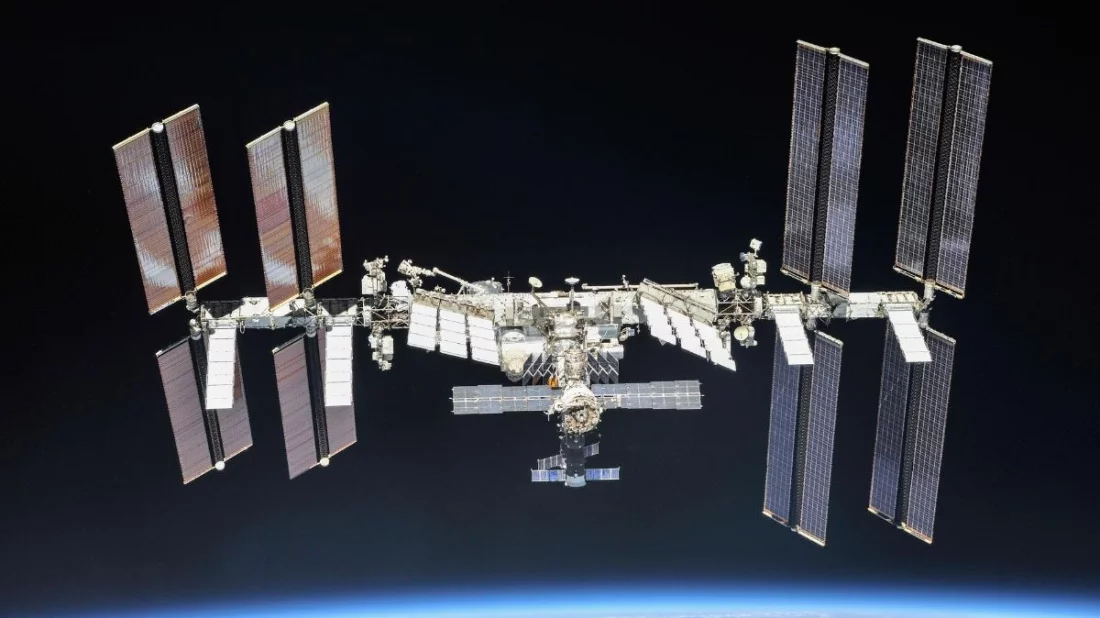
After more than two decades of continuous operation as a home and laboratory for astronauts, the International Space Station (ISS) is slowly approaching the end of its journey. NASA has announced plans to retire the ISS by 2030, but as of now, no fully operational private replacement space station is ready to take its place.
NASA’s strategic objective is to maintain a continuous human presence in low-Earth orbit. However, delays in issuing detailed technical guidelines and regulatory frameworks for commercial space stations have slowed progress. As a result, private companies planning to build next-generation orbital stations have been unable to move forward at full scale.
Currently, four private companies are competing for NASA contracts—Voyager Technologies, Axiom Space, Blue Origin, and Vast Space. NASA is expected to award one or two major contracts by the end of this year. Yet with only about five years remaining before the ISS is scheduled to be decommissioned, the absence of finalized technical requirements for commercial stations is increasing pressure on these companies.
Among the contenders, Vast Space claims to be ahead of the competition. The company is developing a small commercial space station called “Haven-1,” designed primarily for short-duration missions. The target launch date for Haven-1 is set for the first quarter of 2027.
According to Vast Space CEO Max Haot, the core structure of Haven-1 has already been completed, and several critical tests have been successfully conducted. After launch, the station will initially operate in an uncrewed mode. Its control systems and safety mechanisms will be closely monitored from Earth. If all systems perform as expected, astronauts will be transported to the station aboard SpaceX’s Crew Dragon capsule. The station is expected to remain operational for about three years and host multiple missions, each lasting approximately two weeks.
Space policy experts warn that if NASA fails to make timely final decisions, a significant gap could emerge between the retirement of the ISS and the start of operations of new commercial space stations. Such a gap could disrupt scientific research and weaken Western countries’ influence and leadership in space.
Whether NASA will extend the operational life of the ISS or move swiftly toward reliance on private space stations is expected to become clearer in the coming months, as the agency outlines its final roadmap for human activity in low-Earth orbit.
Source: The Indian Express, BBC