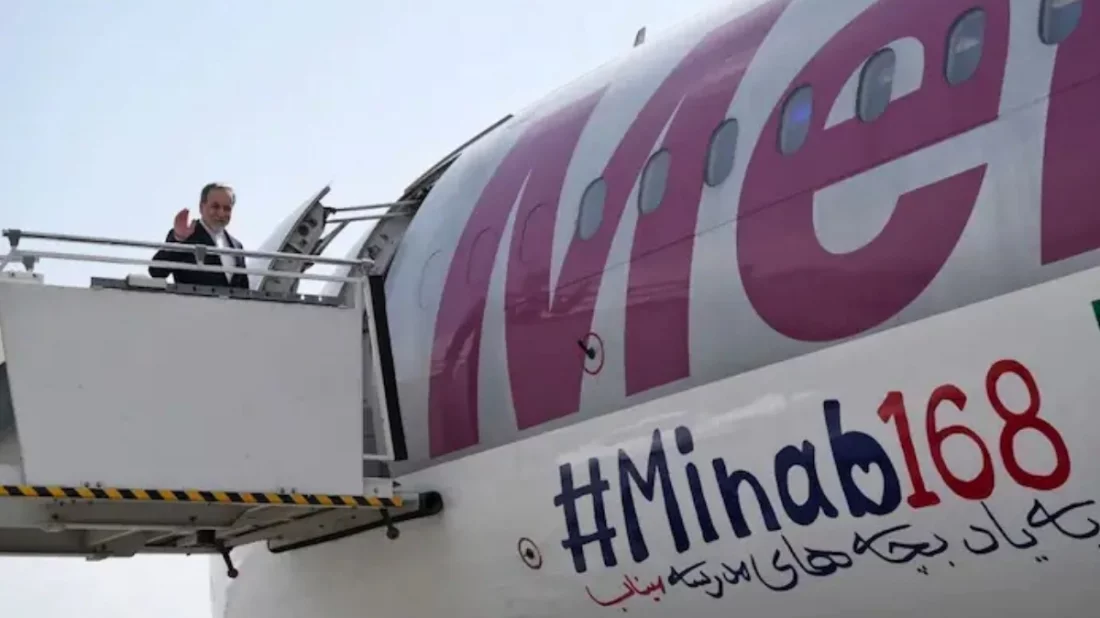
Abbas Araghchi has arrived in New Delhi on a three-day official visit to participate in the BRICS Foreign Ministers’ meeting. The visit is considered highly significant as it marks Tehran’s first high-level diplomatic engagement abroad since the outbreak of the ongoing Middle East conflict.
Although the Iranian foreign minister is attending the two-day BRICS meeting, the spotlight is on his bilateral talks with India’s External Affairs Minister S. Jaishankar. According to diplomatic sources, the discussions will mainly focus on the Iran-Israel-United States conflict, regional security, and the growing global energy crisis.
One of the key issues expected to dominate the talks is the situation surrounding the strategically vital Strait of Hormuz. Nearly one-fifth of the world’s oil supply normally passes through this critical waterway, making its security a matter of global concern.
Araghchi arrived in India aboard an aircraft named “Minab 168,” a symbolic tribute to 168 schoolchildren reportedly killed in a missile strike on a school in Iran’s Minab city during the early stages of the conflict.
India’s Foreign Ministry spokesperson Randhir Jaiswal welcomed the Iranian foreign minister through a social media message. Diplomatic observers believe New Delhi may use the opportunity to urge Tehran to ensure the safe movement of commercial vessels through the Strait of Hormuz amid escalating tensions.
During the visit, Araghchi is also expected to meet Indian Prime Minister Narendra Modi along with other foreign ministers attending the BRICS gathering.
Meanwhile, Iran’s Deputy Foreign Minister Kazem Gharibabadi stated that Iran views its active participation in BRICS as a strategic move toward creating a fairer balance in global politics. Tehran believes the bloc can play an important role in strengthening cooperation among Global South nations and reforming the international economic system.
Iran has also emphasized the importance of building independent trade and banking mechanisms to counter what it describes as unilateral and discriminatory policies imposed by the United States.
India is currently serving as the chair of BRICS and hosting the meeting as part of preparations for the bloc’s upcoming summit scheduled for September. However, ongoing divisions among BRICS members over the Middle East conflict are reportedly making it difficult to issue a unified joint statement.
Recent tensions involving United Arab Emirates and Iran over attacks on energy infrastructure have further complicated efforts to reach consensus within the bloc.