The United States is facing the longest government shutdown in its history — now stretching into 37 consecutive days — bringing much of the country’s administrative and economic activity to a halt. Economists estimate that the ongoing shutdown is costing the U.S. economy between $10 and $30 billion per week, severely affecting airports, federal services, and public confidence in government operations.
According to a report from Reuters, Thursday’s (November 6) marathon negotiations between Republicans and Democrats once again ended without agreement. The stalemate has left hundreds of federal agencies without funding and millions of Americans feeling the effects. Republicans proposed reinstating laid-off federal employees and reopening key departments, but Democrats rejected the proposal, citing concerns over transparency and budget priorities.
Thousands of Flights Canceled Amid Staff Shortages
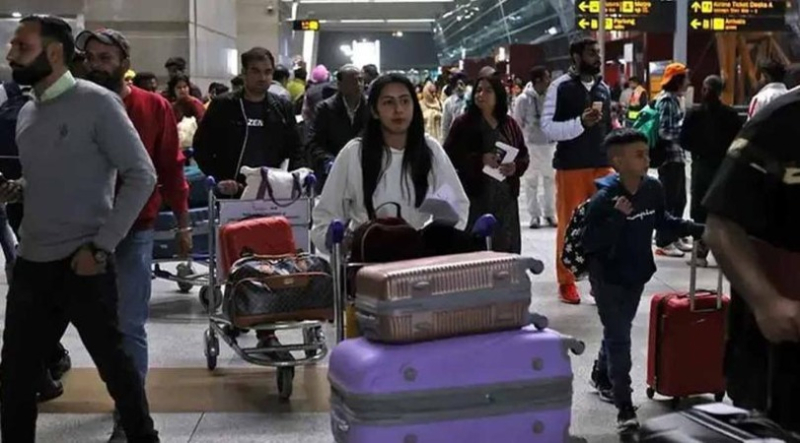
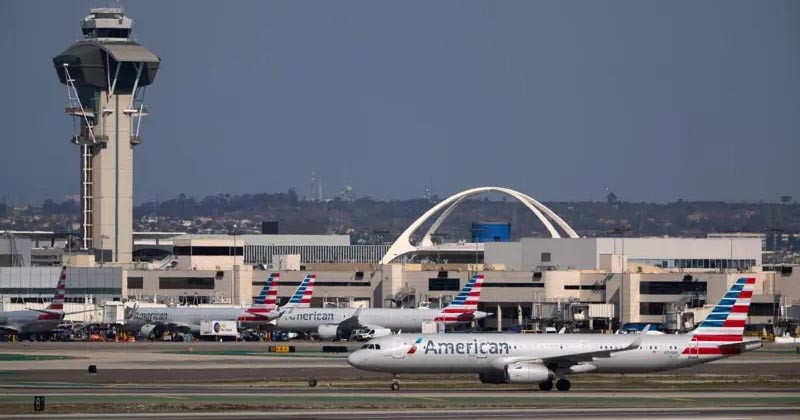
U.S. Transportation Secretary Sean Duffy announced that due to the shutdown, flight operations will be reduced by up to 10 percent at 40 major airports nationwide in the coming days, leading to the cancellation of thousands of domestic flights. According to estimates, between 3,500 and 4,000 flights per day could be canceled as a direct result of staffing shortages and safety concerns.
“The top priority is passenger safety — not politics,” Duffy stated. “Air traffic controllers have been working under extreme pressure, many without pay, and fatigue has become a serious safety risk.”
Officials from the Federal Aviation Administration (FAA) confirmed that air traffic controllers have raised serious concerns about exhaustion and stress. Currently, more than 1.4 million federal employees, including air traffic controllers, security officers, and park rangers, are either working without pay or have been placed on mandatory unpaid leave.
Major Airports Affected Nationwide
The service disruptions have hit some of the busiest airports in the U.S., including Hartsfield-Jackson Atlanta International, New York’s John F. Kennedy International (JFK), Chicago O’Hare International, Ronald Reagan Washington National, and Los Angeles International Airport (LAX). Passengers are facing long lines, delayed check-ins, and reduced ground support operations.
Low-cost carrier Frontier Airlines has warned passengers to make alternate arrangements, including purchasing backup tickets from other airlines. However, officials have clarified that international flights are not affected by the current service reduction.
Federal Workers Under Mental and Financial Stress
Union leaders have warned that federal workers are reaching breaking points. Many employees have been forced to take on second jobs or seek emergency assistance to pay their bills. The prolonged shutdown has disrupted critical public services, including tax refunds, social security processing, national park maintenance, and public health programs.
“The situation is no longer sustainable,” said a representative of the federal employees’ union. “Workers are exhausted, anxious, and uncertain when their next paycheck will come.”
Why the Shutdown Happened
Each year, U.S. federal agencies depend on funding approved by Congress through the annual budget appropriation process. The fiscal year begins on October 1, and if Congress and the President fail to reach a funding agreement before that date, the government shuts down.
This year, deep partisan disagreements between Republicans and Democrats over spending priorities and immigration policy prevented passage of the budget bill, triggering the current shutdown. Political analysts say the standoff reflects a deepening polarization in U.S. politics, undermining public confidence in the country’s governance.
Economic Consequences
Economists warn that if the shutdown continues, it could have a lasting impact on the U.S. economy. Federal spending has ground to a halt, consumer confidence is declining, and private sector investments are slowing. Analysts estimate that prolonged paralysis could shave 0.3 to 0.5 percent off the country’s GDP growth this quarter.
“The U.S. economy is resilient, but no economy can operate efficiently when its government is frozen,” said a report by the Brookings Institution. “If this continues, it will not only weaken domestic stability but also diminish America’s global economic credibility.”
The ongoing U.S. government shutdown has gone far beyond political disagreement — it has become a test of the nation’s resilience and institutional strength. With airports crippled, federal workers unpaid, and billions in economic losses mounting, the crisis underscores the urgent need for bipartisan cooperation. Until lawmakers reach a compromise, the world’s largest economy remains trapped in a self-inflicted gridlock — one that threatens both national functionality and global confidence.
Sources: Reuters, BBC, CNN, The Guardian