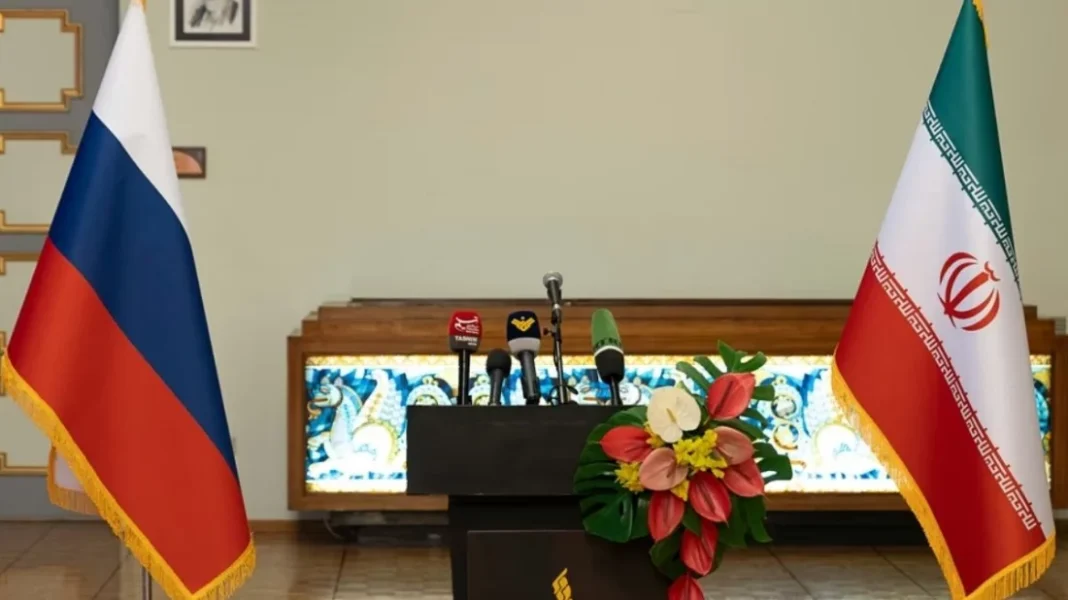
High-stakes peace negotiations aimed at de-escalating tensions in the Middle East have collapsed without any agreement, with Iran’s state media placing the blame squarely on what they describe as “unreasonable and excessive demands” by the United States.
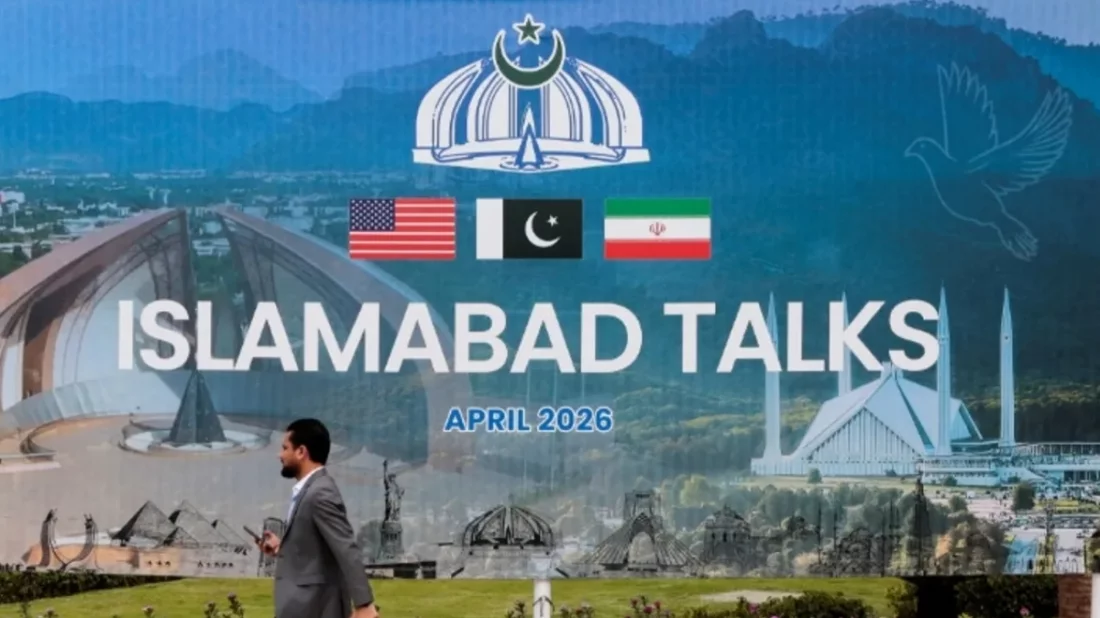
The marathon talks, held in Islamabad, lasted nearly 21 hours but failed to produce any framework or joint understanding. According to Islamic Republic of Iran Broadcasting, Iran presented several constructive proposals to end hostilities in the region, but Washington’s rigid stance prevented any meaningful progress.
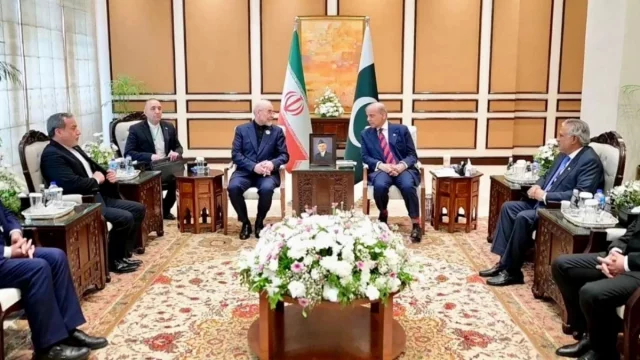
Iranian outlet Fars News Agency reported that the United States had been seeking a pretext to walk away from the negotiations. Meanwhile, Press TV highlighted that Washington’s demands—particularly concerning the Strait of Hormuz and Iran’s nuclear program—were conditions Tehran could not accept.
The meeting was historically significant, marking the longest and most direct high-level engagement between the two countries since the Iranian Revolution. However, the talks ended abruptly after U.S. Vice President JD Vance reportedly presented a “final and best offer” before leaving the mazakaarat, casting uncertainty over future diplomatic efforts.
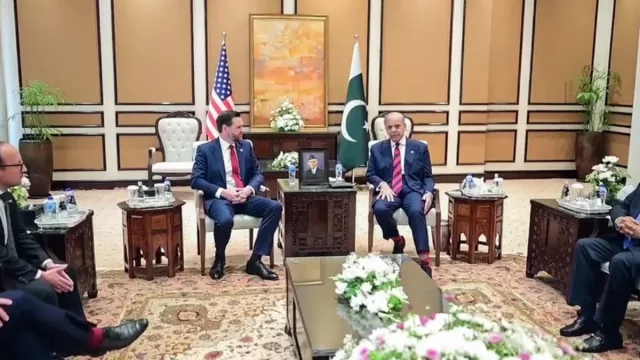
Earlier, Vance had accused Iran of failing to provide credible assurances that it would refrain from pursuing nuclear weapons. Tehran strongly rejected the allegation, asserting that it would not compromise its sovereignty or national interests under pressure.
The conflict, which began on February 28, has already posed serious threats to global economic stability and energy markets. Pakistan played a mediating role in hosting the talks, but entrenched positions on both sides ultimately derailed the diplomatic initiative.
Although a temporary two-week ceasefire remains in place, tensions on the ground continue to simmer. The deployment of U.S. mine-clearing vessels in the Strait of Hormuz has further escalated concerns, with Iranian media labeling the move as provocative.
In the aftermath, JD Vance has left Pakistan but reportedly allowed Tehran additional time to consider the U.S. proposal. However, Iran’s firm tone suggests that unless Washington revises its demands, the prospects for a diplomatic breakthrough remain slim.
The collapse of these talks underscores not just a missed diplomatic opportunity, but also the growing risk of prolonged instability in the Middle East.