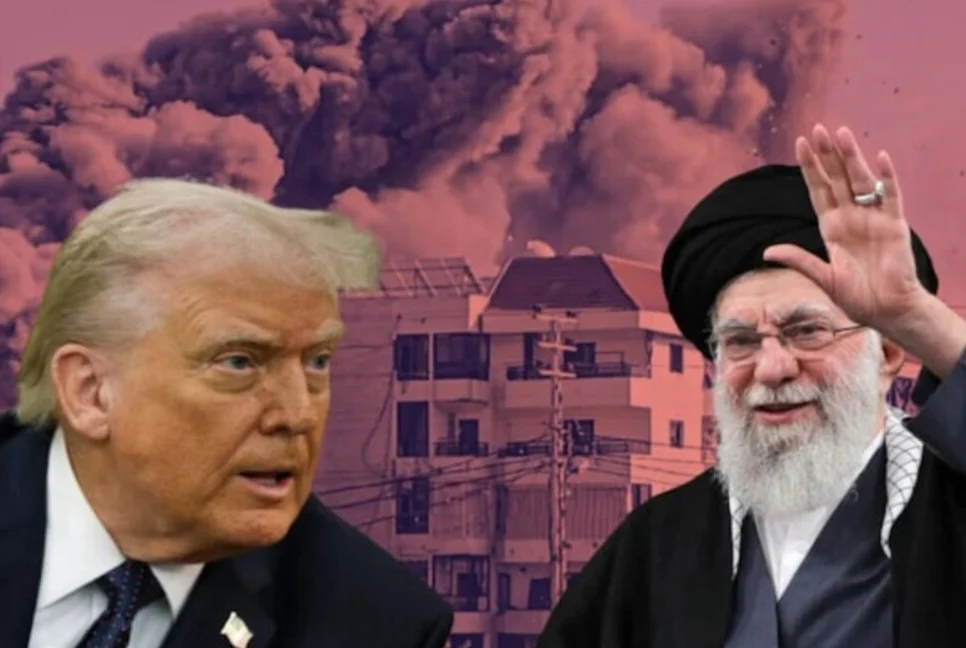
Amid the ongoing tensions in the Middle East, a critical question has emerged in global discourse: how deep and effective is Russia’s military support to Iran? Although Moscow and Tehran have maintained a long-standing strategic relationship, the nature and extent of that cooperation in the current conflict demand closer examination. This debate has intensified, particularly after U.S. President Donald Trump described Russia’s assistance as “limited,” raising doubts about whether this is an accurate assessment or a politically driven statement.
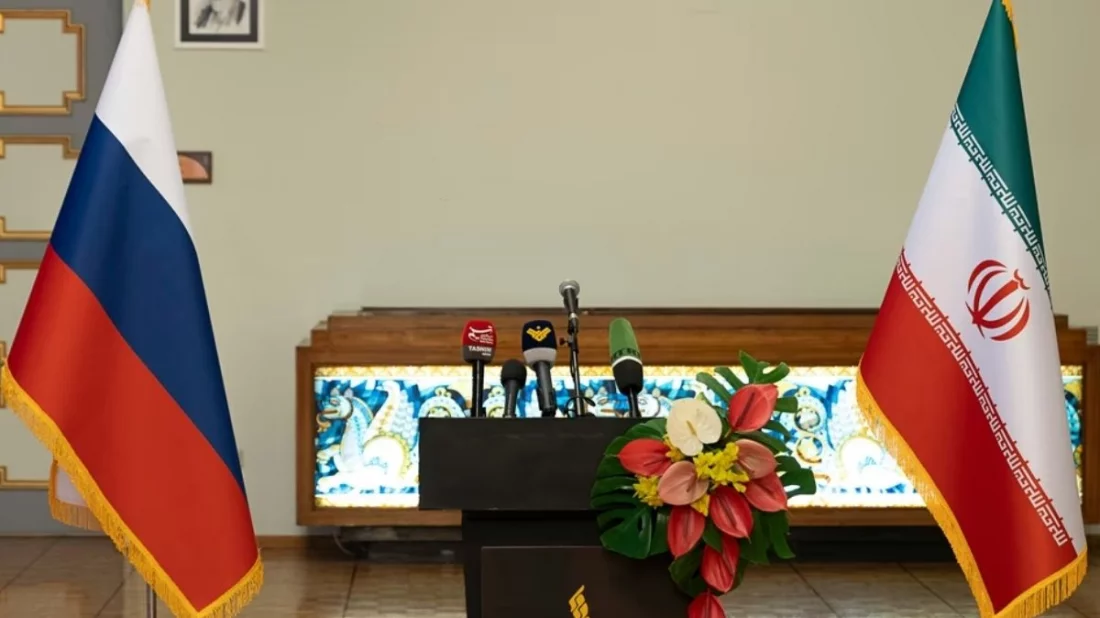
Available reports from international media, especially Al Jazeera, suggest that Russia’s support is not characterized by direct military involvement. Instead, it is largely confined to technological and intelligence assistance. Iran’s Foreign Minister Abbas Araghchi has described the military relationship with Russia as “good,” but in practice, Moscow has avoided entering the battlefield. Rather, it is believed to be providing Tehran with critical intelligence, potentially through its “Liana” satellite system, enabling Iran to track the positions of U.S. naval and air forces. Additionally, the Iranian satellite “Khayyam,” launched with Russian assistance in 2022, is playing a significant role in gathering intelligence during the conflict.
A key dimension of this cooperation lies in mutual strategic exchange. In the context of the Ukraine war, Iran has already supported Russia by supplying drones and ballistic missiles. In return, Russia has enhanced the effectiveness of Iran’s “Shahed” drones, making them more advanced and lethal. Evidence of the use of sophisticated, jamming-resistant navigation modules such as “Kometa-B” in recent drone operations indicates that this partnership goes beyond symbolic cooperation and reflects meaningful technological collaboration.
However, the crucial question remains: can this level of support change the course of the war? According to military analysts, the answer appears to be no. Russia is unwilling to risk direct involvement in the conflict, largely due to broader geopolitical considerations. Under the leadership of President Vladimir Putin, Russia is already heavily engaged in the Ukraine war and is strategically leveraging instability in the Middle East to serve its own interests.
One of the most significant outcomes of this instability has been the rise in global oil prices, which has benefited the Russian economy. As Brent crude prices have crossed $100 per barrel, Russia has gained economic momentum despite ongoing sanctions. Analysts suggest that such conditions have even pressured the U.S. administration to reconsider certain restrictions on Russian oil, highlighting how this conflict extends beyond the battlefield into the realm of economic warfare.
Another important factor is the absence of a formal defense pact between Russia and Iran. This gives Moscow the flexibility to adjust its level of involvement as needed. Consequently, Russia’s support can be viewed as a “friendly gesture” rather than a full-fledged military alliance.
On the other hand, Tehran appears to recognize these limitations. Instead of relying solely on direct battlefield victory, Iran seems to be pursuing a broader strategy—fueling regional instability and leveraging control over energy dynamics to exert pressure on Western powers. While this approach may not deliver immediate military success, it could prove effective as a long-term geopolitical strategy.
In conclusion, Russia’s support to Iran is significant but limited, calculated, and driven by self-interest. It is not an all-out military backing, but rather a strategic partnership in which both countries prioritize their own national interests. As a result, while this support may influence the dynamics of the conflict, it is unlikely to single-handedly determine its outcome.