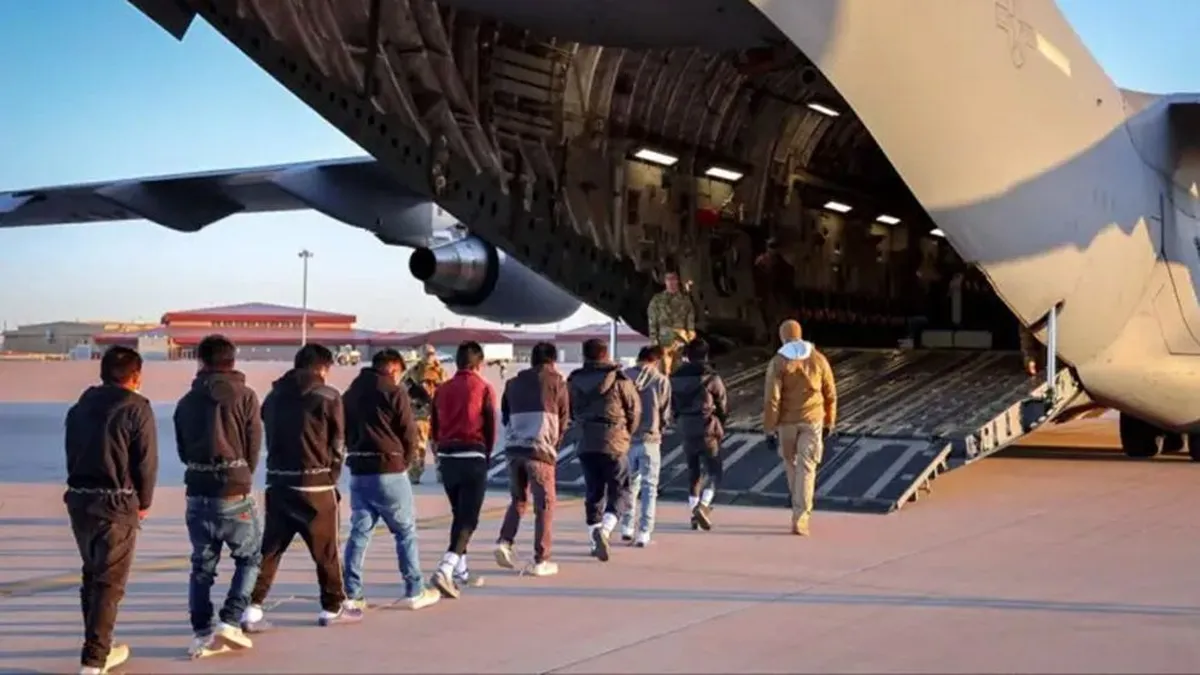
The Trump administration’s aggressive stance on immigration enforcement brought the United States into a diplomatic standoff with Colombia, culminating in significant policy changes from the South American nation. Shortly after taking office, U.S. President Donald Trump began implementing stringent measures to deport undocumented immigrants, with many being sent back to their countries of origin aboard military aircraft. However, the situation took a dramatic turn when Colombia refused to allow two U.S. planes carrying deported individuals to land on its soil, sparking a confrontation.
The Initial Dispute
Colombia’s refusal to permit the planes to land was seen as a direct challenge to the U.S. administration’s immigration policy. The deportations targeted undocumented immigrants who had entered the United States illegally, many of whom were Colombian nationals. In response, Trump issued an ultimatum, threatening severe economic and diplomatic repercussions if Colombia did not comply. Among the measures announced by Trump were:
- A 25% tariff on all Colombian imports to the United States.
- A warning that the tariff could be doubled to 50% within a week.
- A suspension of visa issuance for Colombian citizens, effectively barring their entry into the United States.
These threats added immense pressure on the Colombian government, which relies heavily on trade with the United States. The U.S. is one of Colombia’s largest trading partners, and the proposed tariffs posed a significant risk to the country’s economy.
Colombia’s Retaliatory Measures
In a bold move, Colombian President Gustavo Petro announced retaliatory tariffs on American goods, imposing a 25% duty on all imports from the U.S. Initially, Petro threatened to raise this tariff to 50%, mirroring Trump’s threats. This countermeasure was aimed at demonstrating Colombia’s resistance to external pressure and its commitment to safeguarding national interests.
However, the escalating trade conflict created uncertainty for businesses on both sides, with concerns about the potential disruption of bilateral trade worth billions of dollars annually.
Resolution and Compliance
Faced with mounting pressure and the risk of further economic instability, Colombia eventually agreed to Trump’s demands. According to reports from CNN, Colombia accepted the return of undocumented immigrants who had entered the U.S. illegally. Moreover, the Colombian government stated that it would no longer object to the use of U.S. military planes for deportations. This concession marked a turning point in the dispute and led to the U.S. lifting the 25% tariff on Colombian goods.
Implications of Trump’s Threats
The standoff highlighted Trump’s willingness to leverage economic tools to enforce his administration’s immigration policies. His threats to impose higher tariffs and restrict Colombian citizens’ access to U.S. visas underscored the administration’s hardline approach to international negotiations.
For Colombia, the decision to comply with U.S. demands was likely influenced by economic pragmatism. The country’s economy is significantly tied to exports, particularly coffee, flowers, and oil, much of which is destined for the U.S. market. The potential loss of this critical trade relationship may have outweighed the political cost of acceding to Trump’s conditions.
Broader Repercussions
The diplomatic clash between the U.S. and Colombia underscores the broader challenges faced by nations dealing with the Trump administration’s transactional approach to foreign policy. While the immediate crisis was resolved, the episode left lingering questions about the long-term impact on U.S.-Colombian relations.
Colombia’s initial defiance and subsequent compliance also sparked domestic debate within the country. Critics of President Petro’s handling of the situation argued that the government should have negotiated more favorable terms, while others contended that the concessions were necessary to protect the nation’s economic interests.
The standoff between the U.S. and Colombia over immigration and trade serves as a case study in how economic and political pressures can shape international relations. While the Trump administration achieved its goal of securing compliance, the episode highlighted the complexities of enforcing immigration policies on a global scale. For Colombia, the incident reaffirmed the importance of maintaining strong trade ties with the U.S., even in the face of contentious political disagreements.
As the dust settles, both nations must navigate the aftermath of this confrontation, balancing economic priorities with the need to rebuild trust and cooperation in their bilateral relationship.