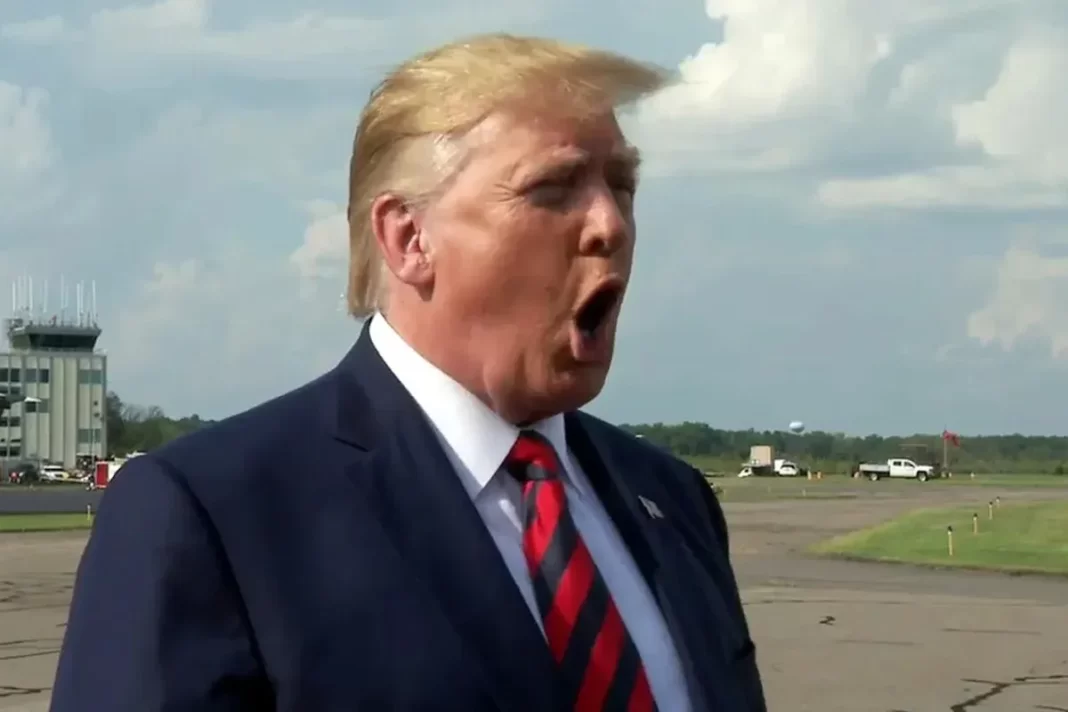
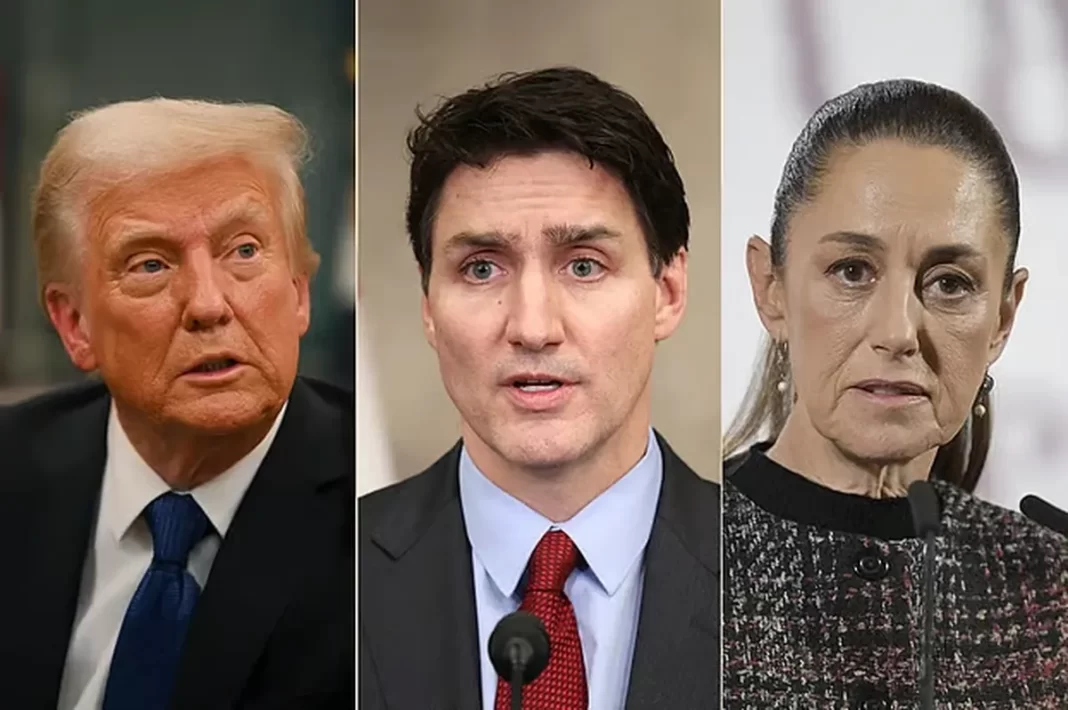
In a significant escalation of his administration’s immigration enforcement policies, President Donald Trump has announced plans to transfer undocumented immigrants to a detention facility at Guantanamo Bay, Cuba, within the next 30 days. This move is part of a broader strategy aimed at tightening border security, deterring unauthorized migration, and addressing the growing backlog of immigration cases in the U.S.
Policy Announcement and Implementation Timeline
On January 29, 2025, President Trump signed an executive order directing the Departments of Defense and Homeland Security to prepare the Guantanamo Bay facility for the detention of up to 30,000 undocumented immigrants. The administration intends to begin the transfers within 30 days, prioritizing individuals who have received deportation orders but remain in the U.S. due to legal or logistical challenges. According to White House officials, this new measure is an urgent response to the overwhelmed detention centers in states like Texas, Arizona, and California, where record numbers of migrants are being held.
Speaking to reporters, Trump stated, “We are taking strong, decisive action to protect the American people. Some of these illegal immigrants are dangerous criminals, and we cannot allow them to roam freely in our communities. Guantanamo is a secure facility, and we will use it to its full potential.”

Facility Details and Historical Context
The U.S. naval base at Guantanamo Bay, also known as GTMO, has historically housed a migrant detention facility separate from the high-security prison used for terrorism suspects. In the 1990s, it was used to detain Haitian and Cuban migrants intercepted at sea. Now, the administration is repurposing this existing infrastructure to handle the expected influx of detainees.
According to sources within the Department of Homeland Security (DHS), the facility is undergoing modifications to meet security and humanitarian standards necessary for housing detainees for extended periods. Plans include the construction of new barracks, medical facilities, and legal consultation areas to accommodate asylum processing and deportation proceedings.
Administration’s Justification
President Trump and senior officials argue that this policy shift is necessary to alleviate the strain on domestic detention facilities and prevent the release of migrants into U.S. communities due to overcrowding. They also claim that it will serve as a deterrent for migrants attempting to enter the country illegally.
“Some of them are so bad we don’t even trust their home countries to hold them because we don’t want them coming back. So, we’re going to send them to Guantanamo,” Trump stated in an interview with Fox News.
Tom Homan, the administration’s Border Czar and former acting director of Immigration and Customs Enforcement (ICE), added that the initiative was part of a larger crackdown on illegal immigration. “We hope to start transferring people there within 30 days. I will personally visit the facility next week to oversee preparations.”

Legal and Human Rights Concerns
This decision has ignited widespread controversy, with human rights organizations, legal experts, and immigrant advocacy groups raising concerns over potential abuses. The American Civil Liberties Union (ACLU) has denounced the plan, warning that Guantanamo Bay’s history as a detention site associated with torture and indefinite detention could lead to human rights violations.
“The idea of sending asylum seekers to an offshore prison where they will be cut off from legal representation and due process is both unconstitutional and inhumane,” said ACLU legal director Omar Jadwat.
Legal scholars warn that using Guantanamo Bay as a detention site could violate international law and prompt challenges in U.S. courts. They argue that indefinite detention without proper legal recourse could lead to lawsuits and diplomatic tensions with Latin American nations.
International and Domestic Reactions
The Cuban government has strongly opposed the plan, with President Miguel Díaz-Canel condemning it as “an act of brutality that violates human dignity.” The Cuban foreign ministry has issued a statement warning that the U.S. is turning Guantanamo Bay into “a concentration camp for migrants,” further straining diplomatic relations between the two nations.
Within the U.S., reactions have been divided. Conservative lawmakers and border security advocates support the move, arguing that it is necessary to address what they describe as an immigration crisis. “We have to take decisive action,” said Senator Tom Cotton (R-AR). “Our communities are overwhelmed, and Guantanamo is the perfect solution to keep dangerous illegals off our streets.”
On the other hand, progressive politicians and immigration activists have strongly opposed the decision. Representative Alexandria Ocasio-Cortez (D-NY) called it “a cruel and unconstitutional policy that strips migrants of their rights and subjects them to inhumane conditions.” Senator Bernie Sanders (I-VT) has vowed to introduce legislation to block the plan, calling it “a gross violation of American values.”
Broader Immigration Enforcement Efforts
Since his second term began on January 20, 2025, President Trump has intensified his administration’s hardline immigration policies. His measures include:
- Deploying military assets to the southern border to reinforce security and prevent crossings.
- Declaring a national emergency to secure additional funding for the border wall.
- Increasing deportation operations through enhanced ICE enforcement in sanctuary cities.
- Revising birthright citizenship policies to prevent automatic citizenship for children born to undocumented immigrants.
The administration is also considering further executive orders aimed at tightening asylum regulations and limiting refugee admissions.
Potential Legal and Political Ramifications
As the policy moves forward, the likelihood of legal battles increases. Civil rights groups are expected to file lawsuits challenging the constitutionality of detaining asylum seekers offshore. Additionally, courts may intervene to determine whether the executive branch has the authority to use Guantanamo Bay for non-terrorism-related detentions.
Politically, this decision is likely to play a significant role in the upcoming midterm elections, as both parties use it to galvanize their bases. Republicans may tout it as a tough-on-immigration measure that protects national security, while Democrats will likely frame it as a humanitarian crisis and an overreach of executive power.
Trump’s decision to transfer undocumented immigrants to Guantanamo Bay represents one of the most controversial immigration policies in recent history. With fierce opposition from human rights advocates and legal experts, as well as support from conservative lawmakers and border security proponents, the coming weeks will be critical in determining whether the administration can successfully implement this policy or if it will face significant legal and political obstacles. The broader implications for immigration enforcement, international relations, and human rights remain uncertain, ensuring that this issue will dominate political discourse in the months ahead.