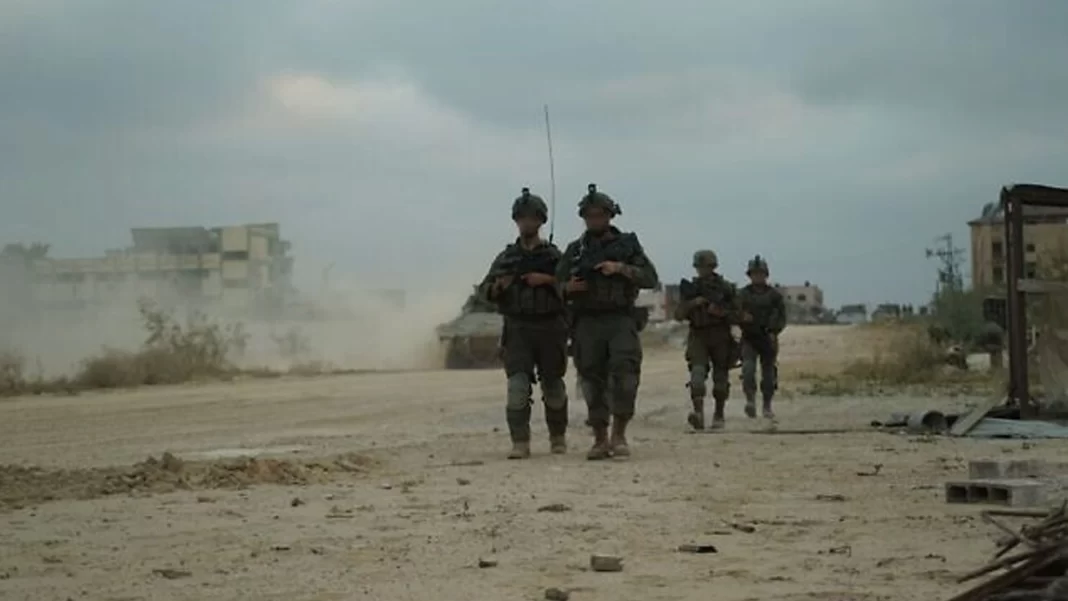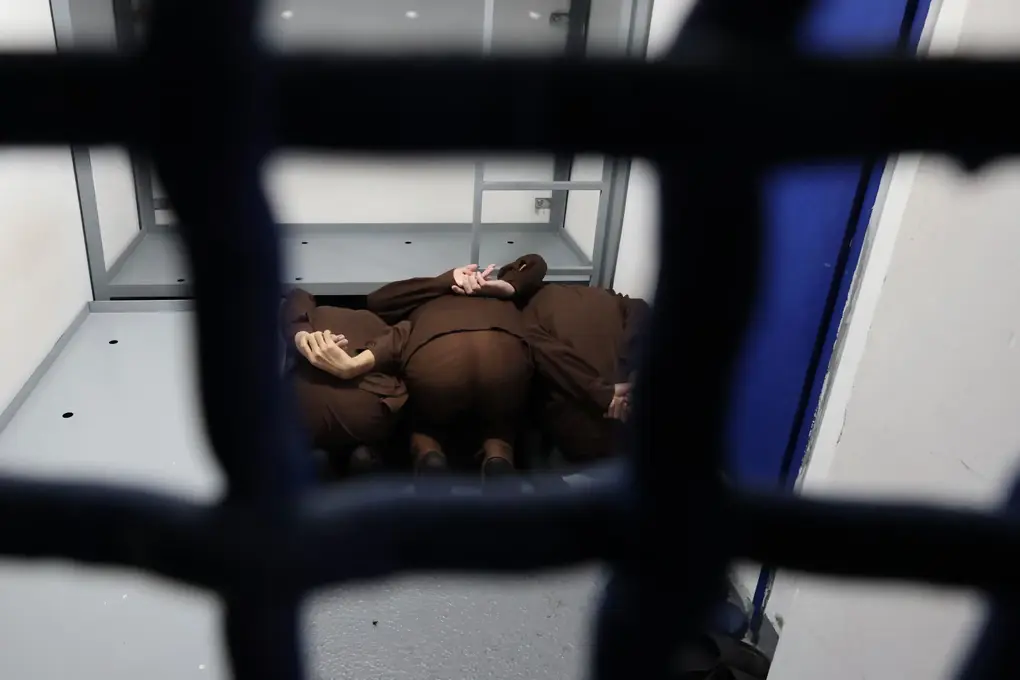
Israel is reportedly detaining dozens of Palestinians from Gaza inside a secretive underground prison where they are denied sunlight, contact with the outside world, and even adequate food. According to lawyers from the Public Committee Against Torture in Israel (PCATI), detainees at the subterranean Rakefet Prison are subjected to brutal conditions that amount to inhumane treatment and torture.
Among the detainees are at least two civilians who have been imprisoned for months without charge or trial: a nurse who was arrested while still in his hospital scrubs, and a young food vendor seized at a checkpoint. Both men, represented by PCATI, described being transferred to Rakefet in January, where they suffered frequent beatings and other violent abuses similar to those documented in other Israeli detention centers.
The Return of an Abandoned Prison
Rakefet Prison, whose name means “cyclamen flower” in Hebrew, was originally built in the early 1980s to hold a small number of Israel’s most dangerous organized crime figures. It was shut down only a few years later for being “inhumane.” However, following the October 7, 2023 attacks, Israel’s far-right national security minister Itamar Ben-Gvir ordered the prison reopened to house detainees from Gaza and Lebanon.
Everything inside Rakefet—from the cells to the exercise yard to the room where lawyers meet clients—is located underground. There is no natural light, and detainees live in total isolation. The facility was designed to hold about 15 inmates, but recent data obtained by PCATI indicates that around 100 Palestinians are now crammed inside.
Torture, Isolation, and Secret Detentions
PCATI reports that detainees are routinely beaten and deprived of basic necessities. They are not allowed to receive news from their families or the outside world, and some have not seen daylight for months. The organization says these conditions violate international humanitarian law and constitute torture.
During the mid-October ceasefire agreement, Israel released 250 convicted Palestinian prisoners and 1,700 Gaza detainees who had been held indefinitely without charge or trial. The young food vendor detained at Rakefet was among those released. Yet, despite this mass release, at least 1,000 other Palestinians remain imprisoned under the same conditions—including the detained nurse represented by PCATI.
Civilians Targeted Under Wartime Laws
One of the PCATI lawyers, Janan Abdu, said her clients were clearly civilians. “The man I spoke to was just 18 years old and sold food for a living. He was taken from a checkpoint on the road,” she said. The nurse, aged 34, was detained from a hospital in December 2023 while on duty.
Ben-Gvir publicly claimed that Rakefet was being “rehabilitated” to hold elite Hamas fighters—known as Nukhba—who participated in the October 7 attacks, as well as Hezbollah operatives captured in Lebanon. But according to PCATI, the prison is instead filled with ordinary civilians from Gaza, arrested without due process or clear evidence of wrongdoing.
Lack of Transparency and Accountability
When questioned about the identities or conditions of the prisoners held at Rakefet, the Israeli Prison Service (IPS) declined to respond. Human rights groups have condemned Israel’s use of underground detention facilities, saying such secrecy allows the government to bypass legal oversight and perpetuate systematic abuse.
Even though active war operations have ended, PCATI warns that Palestinians continue to be imprisoned under “legally contested and violent wartime conditions” that blatantly violate the Geneva Conventions.
The organization concludes that the Rakefet facility, once deemed too inhumane even for Israel’s most violent criminals, has now become a symbol of the ongoing repression of Gaza’s civilians—a hidden world of darkness, fear, and forgotten lives beneath the Israeli earth.