 Relations between India and Bangladesh have historically been shaped by geography, history, economic interdependence, and regional security considerations. However, in recent times, bilateral ties have come under increasing strain due to allegations that India is providing shelter to Bangladeshi political figures accused of authoritarian governance, corruption, and serious human rights violations.
According to critics within Bangladesh, several former ruling-party leaders, ministers, and influential figures accused of crimes under Bangladeshi law are currently residing in India. These individuals are alleged to be facing investigation or prosecution under Bangladesh’s judicial system, including cases that fall under the jurisdiction of the country’s war crimes tribunals and special courts dealing with political violence, enforced disappearances, extrajudicial killings, and large-scale corruption.
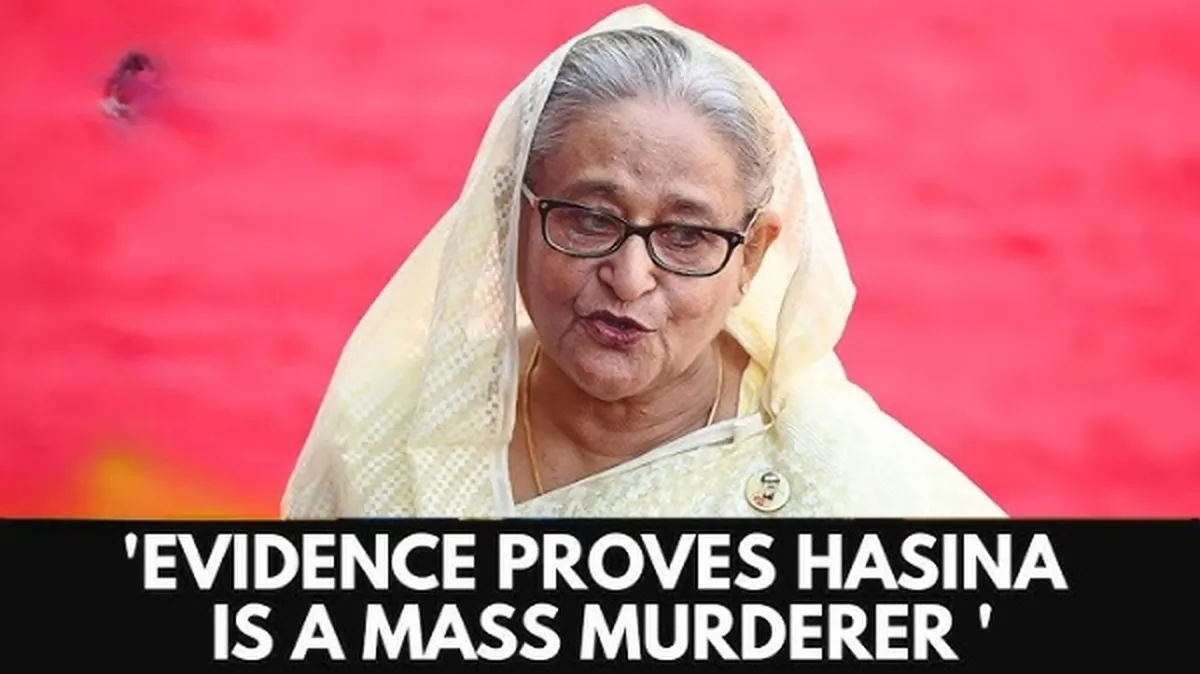
At the center of this controversy is former Prime Minister Sheikh Hasina, whom opposition groups and rights activists accuse of presiding over an increasingly authoritarian system during her tenure. Allegations include suppression of political opposition, manipulation of elections, curtailment of press freedom, and the use of state institutions to silence dissent. Alongside her, several senior party leaders and former ministers are accused of direct or indirect involvement in grave crimes and are now believed to be outside Bangladesh.
The Bangladeshi government and civil society voices argue that India’s refusal to return these individuals, despite longstanding extradition treaties and legal cooperation mechanisms between the two countries, undermines Bangladesh’s justice system. They claim this perceived inaction sends a troubling message that political considerations are being placed above accountability, rule of law, and respect for sovereign judicial processes.
This issue has become a major source of public resentment in Bangladesh. Many citizens view India’s stance as interference in Bangladesh’s internal affairs and as implicit protection for figures accused of harming Bangladeshi democracy. As a result, anti-India sentiment has intensified, affecting public opinion and complicating diplomatic engagement.
Legal experts point out that extradition is a matter governed by treaties, evidence thresholds, and judicial review. However, they also emphasize that continued delays or outright refusal to cooperate—especially in cases involving serious crimes—can severely damage bilateral trust. Bangladesh’s critics argue that if India positions itself as a regional leader committed to democracy and the rule of law, it should not be seen as a safe haven for individuals accused of grave violations in a neighboring country.
The deterioration of India–Bangladesh relations on this issue carries broader implications. It risks undermining cooperation on trade, water-sharing agreements, border security, counterterrorism efforts, and regional stability in South Asia. Diplomatic analysts warn that unresolved grievances over justice and accountability could have long-term consequences for regional cooperation.
Many voices in Bangladesh are therefore calling on the Indian government to reassess its position, honor legal cooperation frameworks, and allow judicial processes to take their course. They argue that returning accused individuals to face trial in Bangladesh would not only strengthen bilateral relations but also reaffirm India’s stated commitment to democratic values and regional justice.
Ultimately, sustainable and respectful relations between India and Bangladesh depend on mutual trust, transparency, and respect for each other’s legal institutions. Addressing these allegations through lawful and cooperative means could help prevent further deterioration and pave the way for a more balanced and constructive partnership between the two neighbors.