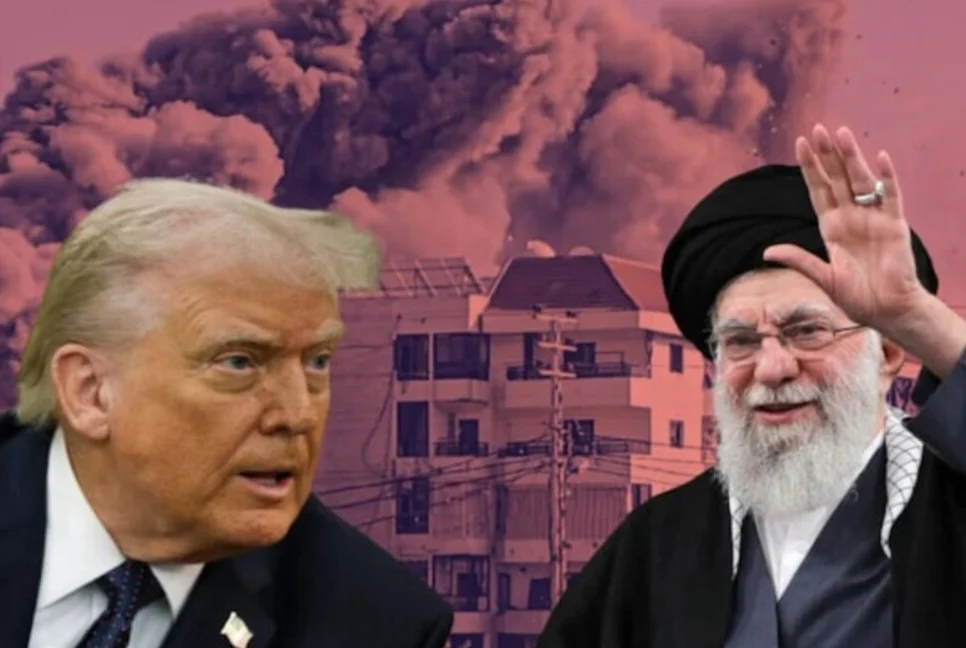
The reported killing of Iran’s Supreme Leader, Ali Khamenei, marks one of the most dangerous turning points in modern Middle Eastern history. As the highest political and religious authority of the Islamic Republic of Iran, his leadership shaped not only Iran’s domestic governance but also its regional security doctrine for more than three decades. His death, if confirmed, risks triggering a cascade of political upheaval, military escalation, and economic instability that could extend far beyond the region.
For decades, Khamenei stood at the center of Iran’s ideological and strategic framework. He oversaw relations with key regional actors, directed Iran’s security institutions, and served as the ultimate authority over foreign policy decisions. His removal from the political scene creates a power vacuum at a time when tensions between Iran, Israel, and the United States are already dangerously high.
Regional Shockwaves and the “Axis of Resistance”
In the immediate aftermath, groups aligned with Iran’s so-called “Axis of Resistance” signaled coordinated retaliation. This loose but strategically aligned network includes Hezbollah in Lebanon, Hamas in Gaza, the Islamic Revolutionary Guard Corps (IRGC), Shiite militias in Iraq such as Kataib Hezbollah, and the Houthi movement in Yemen, formally known as Ansar Allah.
For these groups, Khamenei was not merely a political leader but a symbolic figurehead of resistance against Western and Israeli influence. Hezbollah quickly declared its readiness to confront what it described as American and Israeli aggression. Meanwhile, the Islamic Revolutionary Guard Corps reportedly moved to consolidate operational control over allied networks to prevent fragmentation or strategic disarray.
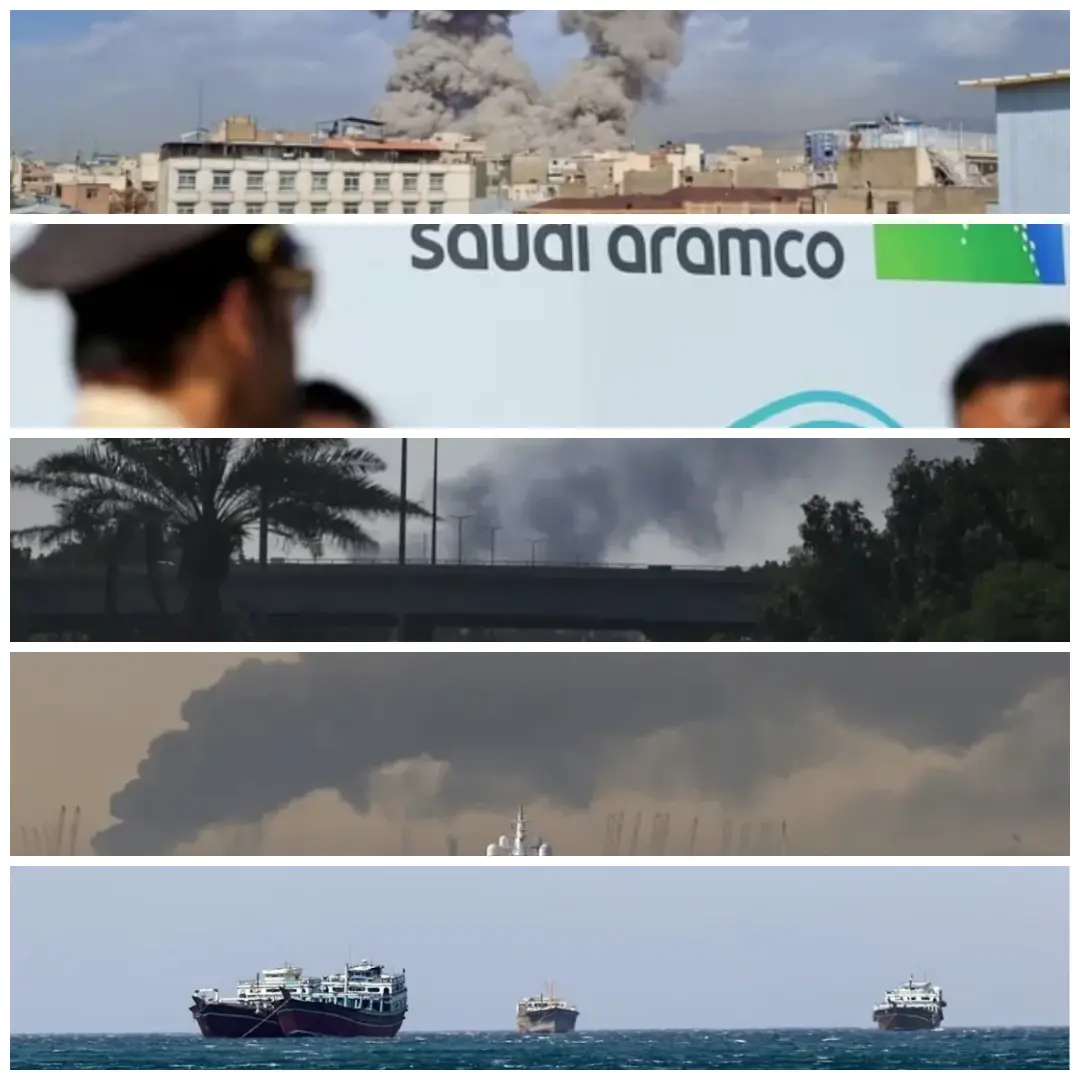
In Gaza, Hamas condemned the killing as a “heinous crime” and warned that the region could be pushed toward an uncontrollable confrontation. In Yemen, Ansar Allah intensified threats against Western-linked vessels in the Red Sea — a move that could disrupt one of the world’s most critical maritime trade corridors.
Risk of Multi-Front Escalation
The most immediate danger lies in a multi-front escalation. If coordinated retaliation occurs across Lebanon, Gaza, Iraq, Syria, and Yemen, the region could witness simultaneous flashpoints. Such a scenario would dramatically increase the risk of direct confrontation between Iran and Israel, potentially drawing in the United States.
Iraqi militias, including Kataib Hezbollah, warned that targeting Iran’s top authority could ignite a “total war.” U.S. military installations in Iraq and Syria could become immediate targets, while Israel’s northern border with Lebanon may transform into a full-scale battlefield.
Global Economic Consequences
The Middle East remains central to global energy markets. The Persian Gulf and Red Sea shipping lanes are vital for oil and liquefied natural gas exports. Any sustained disruption could send oil prices soaring, trigger inflation spikes across Europe and Asia, and destabilize fragile economies.
Energy-importing nations would face supply uncertainty, while financial markets could react with sharp volatility. Insurance costs for maritime shipping would likely surge. Global trade — already strained by geopolitical fragmentation — would suffer further shocks.
The Question of Succession
Internally, Iran now faces a delicate succession process. Speculation surrounds figures such as Mojtaba Khamenei and senior political leader Ali Larijani. The decision of the Assembly of Experts — the body constitutionally tasked with selecting a new Supreme Leader — will shape Iran’s future trajectory.
A hardline successor could intensify confrontation abroad, while a more pragmatic figure might seek to stabilize the situation diplomatically. However, leadership transitions in times of crisis often carry risks of internal factional struggle, especially within powerful institutions like the Islamic Revolutionary Guard Corps.
Collapse of Deterrence Balance
Perhaps the most alarming consequence is the potential collapse of the fragile deterrence system that has, despite repeated clashes, prevented full-scale regional war. Khamenei played a central role in calibrating proxy operations to avoid direct all-out confrontation. Without that centralized authority, miscalculations could escalate rapidly.
A single misinterpreted missile strike, drone attack, or naval incident could trigger a retaliation spiral beyond diplomatic control. Regional rivalries — including Saudi-Iranian tensions and Israel-Iran shadow warfare — could intensify dramatically.
A Turning Point for the Global Order
The killing of Ali Khamenei represents more than the death of a national leader. It threatens to reshape the strategic architecture of the Middle East. Every country in the region — from Lebanon and Iraq to Israel and Saudi Arabia — would face heightened insecurity. Beyond the region, Europe, Asia, and the Americas could experience economic shocks, diplomatic polarization, and increased security risks.
If de-escalation efforts fail, this incident could become a defining geopolitical rupture of the 21st century — a moment when a single event transformed regional rivalry into a systemic global crisis.