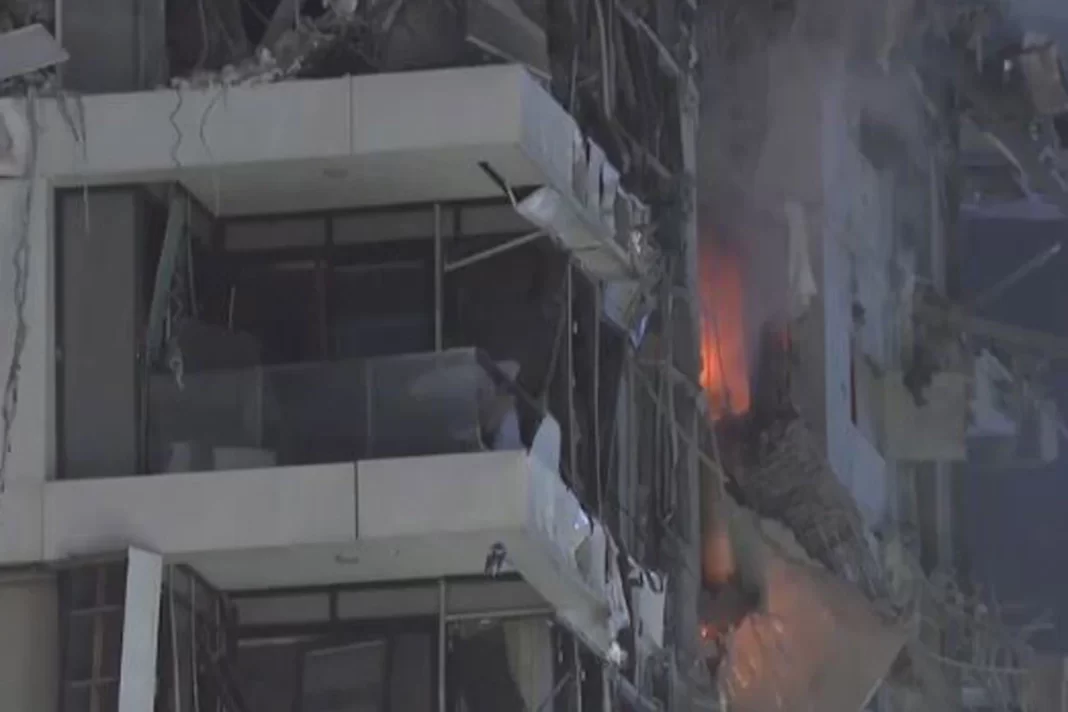
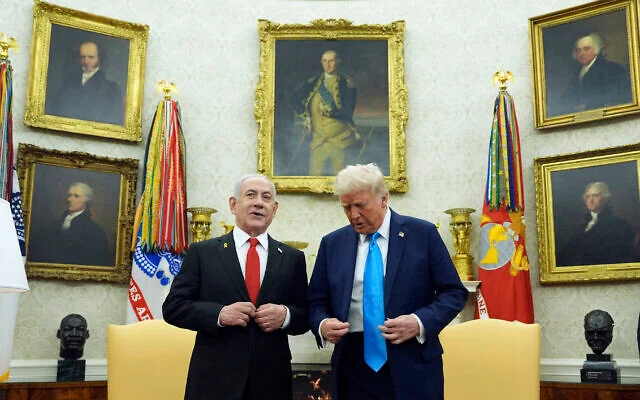
June 18, 2025 — As Tensions Rise, the Global Stakes Grow
The ongoing hostilities between Israel and Iran may, for now, appear confined to the two adversaries. Yet, behind diplomatic calls for restraint—from the United Nations to global leaders—lies a haunting question: What if these warnings go unheeded? What if the conflict intensifies and spirals beyond containment? Several dangerous and far-reaching outcomes are now being actively discussed by analysts and intelligence circles.
- The United States May Be Drawn In
Despite official denials, Iran remains convinced that the United States tacitly supported Israel’s recent offensive, if not directly, then at least through silent consent. In response, Tehran may retaliate by targeting U.S. military assets across the Middle East. These may include Special Forces camps in Iraq, military bases along the Gulf, and American diplomatic missions across the region.
Iran’s allied militias—especially those in Iraq—remain heavily armed and loyal, unlike the more depleted Hamas and Hezbollah forces. The U.S., sensing the possibility of reprisal, has already begun repositioning personnel and issued stern warnings to Iran about the consequences of harming American citizens or facilities.
A worst-case scenario would unfold if an American national is killed in Tel Aviv or elsewhere. That could compel former President Donald Trump, or any sitting U.S. leader, to take decisive retaliatory action—pushing the world closer to a regional or even global military conflict.
- Khamenei’s Regime Faces Existential Threats
AFP’s analysis suggests that Israeli Prime Minister Benjamin Netanyahu, long accused of trying to provoke U.S. involvement against Iran, might finally succeed. Military analysts point out that only the United States possesses the bunker-busting bombs capable of reaching Iran’s deep underground nuclear sites.
Though Trump had previously promised not to start another “forever war,” the political tide in Washington may shift. Many Republicans, sympathetic to Israel’s stance, believe it is time for regime change in Tehran. If U.S. intervention becomes direct and sustained, the consequences could be catastrophic, engulfing the entire region.
- Gulf Nations May Also Be Targeted
If Iran fails to inflict significant damage on fortified Israeli sites, it might turn its attention toward more vulnerable targets in the Gulf. These include nations Iran perceives as long-time supporters of its adversaries—Saudi Arabia and the UAE, for instance.
The region is dotted with high-value targets, including oil infrastructure and American airbases. In recent years, Iran was blamed for a drone strike on Saudi oil fields in 2019 and the Houthis, Tehran’s proxy, attacked the UAE in 2022. While recent months have seen attempts at diplomatic thawing between Iran and some Gulf states, renewed hostilities could unravel all progress.
Should Iranian missiles rain down on Gulf states, Israel and the U.S. would likely intervene in their defense, thus broadening the battlefield.
- Israeli Failure to Destroy Iran’s Nuclear Capabilities Could Backfire
What if Israel’s strike on Iranian nuclear facilities fails? Iran is believed to possess 400 kilograms of enriched uranium—enough to build ten bombs. Much of it is likely stored deep within fortified underground bunkers.
Even if Israeli forces manage to eliminate key nuclear scientists, they cannot erase Iran’s technical knowledge. Worse yet, a failed attack might embolden Iranian leadership to accelerate its nuclear ambitions, under the belief that deterrence is the only shield against further aggression.
New Iranian military leaders, possibly more hawkish than their predecessors, could reject diplomacy outright. This may trigger a cycle of mutual attacks between Iran and Israel—a cycle the Israelis grimly refer to as “mowing the grass.”
- Global Economic Shockwaves
Global oil prices are already surging. If Iran attempts to close the strategic Strait of Hormuz, which handles nearly 20% of the world’s oil shipments, the economic fallout would be enormous. Adding to the concern, Iran-backed Houthis could escalate attacks on Red Sea shipping lanes.
For countries already grappling with inflation and cost-of-living crises, any disruption in oil supply could be devastating. Rising fuel prices would further stoke inflation, destabilizing economies already battered by supply chain woes and past tariff wars. The economic winners? Autocrats like Vladimir Putin, who would profit handsomely from skyrocketing oil revenues to fund the war in Ukraine.
- Regime Collapse in Iran Could Create a Dangerous Vacuum
Should Netanyahu’s broader aim—toppling Iran’s Islamic regime—be realized, the aftermath could be chaotic. While Israel claims its attacks are paving the way for Iranians to free themselves from “tyranny,” regime change often brings instability rather than peace.
One must look no further than Iraq and Libya, where toppling strong regimes without a clear succession plan led to civil war, factional violence, and the rise of extremist groups. If Iran descends into internal conflict, with factions battling for control, the entire region could be destabilized for years to come.
The Road Ahead: War or De-escalation?
The world is now on edge. Every new strike and retaliatory measure is watched with bated breath. Whether the Israel-Iran conflict remains contained or morphs into a broader Middle East war—or even drags superpowers into direct confrontation—will be determined in the coming days and weeks.
Diplomats still hope for restraint, but the drums of war are beating louder. As the situation evolves, one thing is clear: the consequences will not be confined to the Middle East alone.