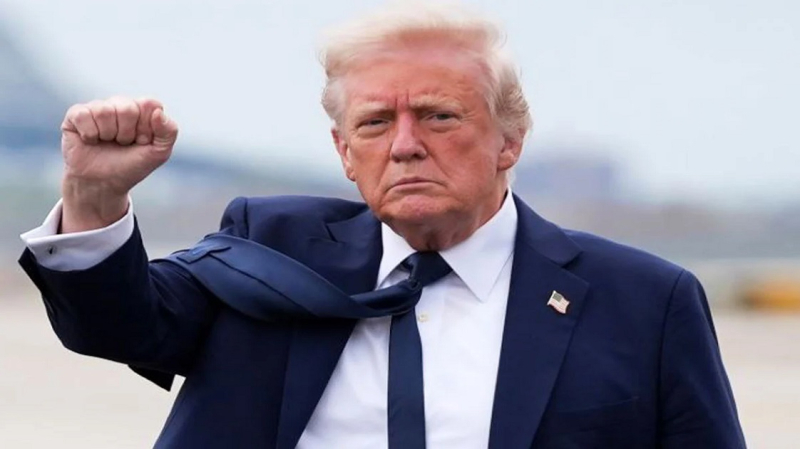
U.S. President Donald Trump remains one of the most debated and controversial political figures in contemporary global politics. Around the world, strong opinions exist both in favor of and against his leadership. While his supporters describe him as a decisive and nationalist leader who prioritized American interests, many critics argue that his policies and rhetoric contributed significantly to global instability and rising tensions.
One of the most discussed aspects of Trump’s presidency was his “America First” doctrine. This policy approach reshaped the traditional diplomatic framework of the United States. His administration withdrew from several international agreements and organizations, arguing that they were unfair to American interests. Critics claim that these withdrawals weakened multilateral cooperation and disrupted long-standing alliances, particularly with European partners.
Trump’s trade policies also generated widespread debate. His administration launched a major trade confrontation with China, imposing tariffs and counter-tariffs that affected global supply chains. While intended to protect domestic industries, opponents argue that these measures increased economic uncertainty worldwide and strained global markets. Similarly, his administration adopted a hardline stance toward Iran, including withdrawing from the nuclear agreement and reimposing sanctions, moves that critics believe heightened tensions in the Middle East.
In addition to foreign policy, Trump’s communication style played a central role in shaping his global image. His direct and often confrontational rhetoric on social media and in public speeches drew both admiration and concern. Supporters viewed him as transparent and bold, unafraid to challenge political norms. However, detractors argued that his tone deepened political polarization both domestically and internationally.
Within the United States itself, public opinion during and after his presidency remained sharply divided. A substantial portion of the population praised his economic initiatives, tax reforms, and conservative judicial appointments. At the same time, another significant segment criticized what they perceived as divisive politics and aggressive governance. This internal polarization reflected the broader global debate surrounding his leadership.
On the international stage, some analysts claim that Trump’s unpredictability created uncertainty in global diplomacy. Shifts in climate policy, security commitments, and trade agreements were seen by critics as destabilizing factors. However, others argue that global crises are complex phenomena shaped by multiple governments, economic pressures, historical rivalries, and regional conflicts—not solely by one individual.
The question of whether Trump is responsible for “all bad incidents” in the present world remains deeply contested. Global instability results from a combination of structural forces, competing national interests, and longstanding geopolitical tensions. While many critics attribute rising divisions and confrontations to his policies, others contend that world politics cannot be simplified to the actions of a single leader.
Donald Trump’s political legacy continues to influence debates in international relations. Whether viewed as a disruptive force or a defender of national sovereignty, his impact on modern global politics remains undeniable and continues to spark discussion worldwide.