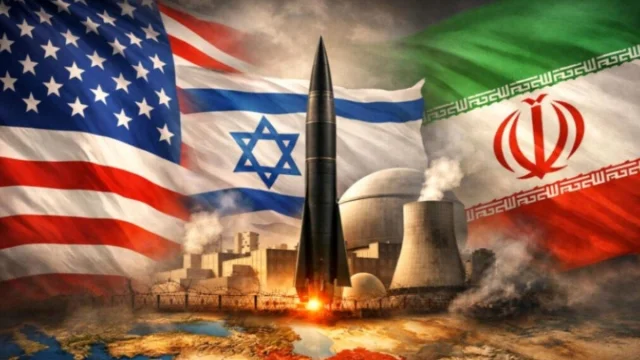
According to a new US intelligence assessment, Iran is allegedly considering plans for a possible attack involving a so-called “dirty bomb” or chemical weapon explosion in Washington, D.C., targeting senior officials of the Trump administration. The intelligence information, reportedly based on accounts from seven US officials, has raised concerns within the American national security establishment. However, officials remain divided over whether Iran has the operational capability to carry out such an attack.
CNN reported the development on Tuesday, November 17, citing sources familiar with the latest intelligence assessments.
Sources briefed on the intelligence described the alleged Iranian planning as an effort to keep potential options open rather than evidence of an imminent attack. Nevertheless, two sources said the intelligence contained specific details about possible locations and targets, prompting US authorities to initiate precautionary security preparations.
In a statement, White House spokesperson Lauren Bis said the United States was monitoring “any and all potential threats” but emphasized that there was currently no credible threat to the American homeland.
Washington Concerned About Possible Escalation
US officials reportedly view the intelligence as a troubling indication that Tehran may be considering expanding the conflict while facing continued American military pressure and economic sanctions. Senior Trump administration officials have described the sanctions as severely damaging to Iran’s economy.
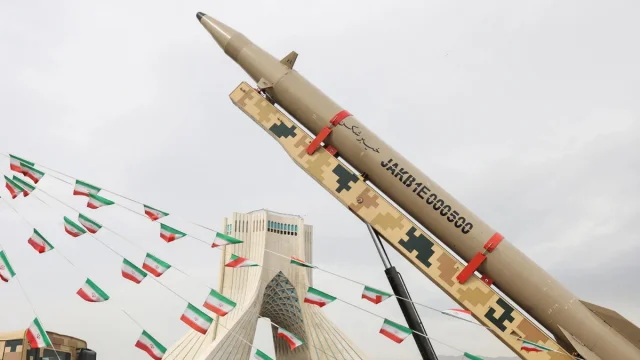
According to sources, Iranian actors may be actively exploring the possibility of attacks inside US territory. However, there is currently no confirmed evidence that Iran has decided to proceed with such a plan.
One source questioned whether Tehran had sufficient personnel and operational resources to execute the alleged plot.
The intelligence developments come as diplomatic efforts to end the conflict continue. Last week, President Donald Trump said the war could end “very soon.” Nevertheless, the latest security concerns illustrate the potential consequences of the conflict that Trump initiated in February.
Two sources said US officials held several meetings last week to discuss possible responses to the threat. One source described the preparations as prudent.
Meanwhile, the Secret Service reportedly relocated Treasury Secretary Scott Bessent to a military residence last week because of concerns about potential Iranian threats.
Previous Iranian Plots Against US Officials
Iran has previously been accused of plotting against current and former American officials, including an alleged assassination scheme involving a hired killer targeting Trump in 2024.
Such alleged operations, dating back to Trump’s first administration, have largely focused on opportunities to target American officials while they were travelling abroad.
However, the latest intelligence raises concerns about the possibility of attacks within the United States itself.
Dirty Bomb: A Different Kind of Threat
Security officials have warned that the United States could face particular challenges in dealing with unconventional weapons. A dirty bomb combines conventional explosives with radioactive material to spread radioactive contamination over an affected area.
Unlike a nuclear weapon, a dirty bomb does not produce a nuclear chain reaction. Although it can contaminate surrounding areas and create serious public health concerns, most immediate casualties would generally result from the conventional explosion rather than radiation exposure.
Experts say that obtaining radioactive material is one of the most challenging aspects of producing such a device. Unlike a sophisticated nuclear weapon, a dirty bomb does not require the same level of technological expertise.
According to one source familiar with the intelligence, US authorities have intercepted communications in which Iranian actors allegedly claimed to have stored bomb-making materials inside the United States.
Officials reportedly believe that radioactive or chemical materials may have been stockpiled in advance. However, these claims have not been independently established.
One intelligence source suggested that vulnerabilities in US border security over the past decade could have made it easier for individuals to enter the country and potentially acquire or position materials.
Another source said some national security officials believe certain materials may have been inside the United States for years. According to this assessment, the concern is less about an increase in Iran’s technical capabilities and more about a possible change in its intentions.
Iran Rejects Chemical Weapons Allegations
The Pentagon referred questions about the intelligence to the Office of the Director of National Intelligence, which declined to comment.
A spokesperson for Iran’s mission to the United Nations in New York rejected allegations concerning chemical weapons, stating that Iran considers their use completely unlawful under any circumstances and firmly denies what it described as false and fabricated accusations.
However, the spokesperson did not directly address the specific intelligence claims concerning an alleged dirty bomb operation.
Expired Surveillance Law Raises Security Concerns
Another challenge for American intelligence agencies is the potential difficulty of detecting such plots in advance.
A key surveillance law used to collect communications involving foreign targets reportedly expired in June following a political deadlock between the White House and Congress.
Although surveillance orders approved before the expiration remain valid until March 2027, national security officials have warned that failure to renew the legislation could weaken one of the country’s important tools for detecting terrorist plots.
Last week, Attorney General Todd Blanche, Director of National Intelligence John Ratcliffe and CIA Director John Ratcliffe reportedly joined other senior officials in urging congressional leaders to renew the legislation.
In a letter to Republican and Democratic leaders of both chambers, officials argued that delays could endanger Americans at home and US military personnel deployed overseas amid an increasingly complicated threat environment.
Concerns Extend to US Troops in the Middle East
American officials are also monitoring separate intelligence suggesting that Iran could potentially use chemical weapons against US troops stationed in the Middle East. The New York Times previously reported on these concerns.
Some officials have expressed concern that American military personnel in the region may not have adequate protective equipment or sufficient training to respond to such an attack.
A source told CNN that parallel emergency preparations were underway to ensure diplomatic and intelligence personnel in the region had appropriate protective equipment and training.
Hormuz Conflict Adds to Regional Tensions
The latest intelligence concerns have emerged amid continuing tensions between Washington and Tehran over the Strait of Hormuz. Negotiations over lifting the US blockade and ending hostilities have yet to produce a breakthrough.
A regional source stressed that the coming weeks could be particularly important for reaching an agreement. During this period, hardline elements within Iran’s political and military establishment could potentially attempt to disrupt diplomatic efforts by escalating hostilities.
One US official noted that Iranian leaders understand the potential consequences of using unconventional weapons against American targets, whether in the Middle East or within the United States.
However, the official suggested that if Iran’s leadership believes the survival of its government is at stake, it could consider taking risks that would otherwise be unacceptable.
The latest developments underscore the growing international security concerns surrounding the US-Iran conflict. While the alleged attack plans remain unverified and no imminent threat has been officially confirmed, the intelligence reports highlight the importance of diplomatic engagement, intelligence cooperation and effective security preparedness.
Source: CNN, citing US officials and intelligence sources; The New York Times.