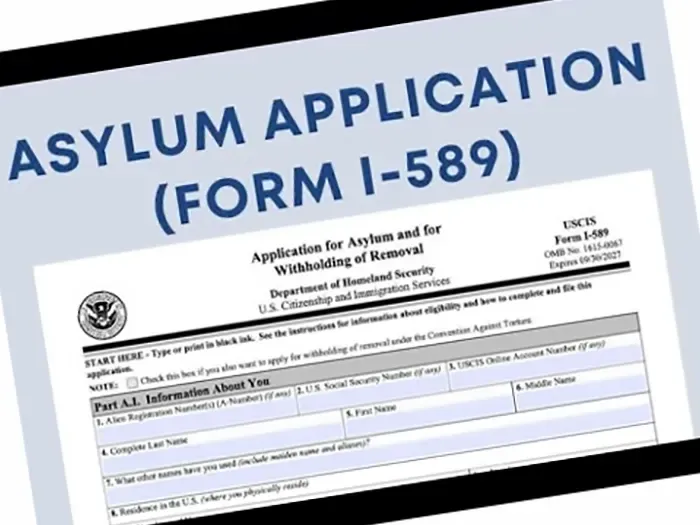
The Trump administration has introduced a significant change to the United States’ asylum system, marking one of the most far-reaching shifts in recent immigration policy. Under the new rule, the long-standing requirement for an initial asylum interview conducted by trained asylum officers has been eliminated for certain categories of asylum applicants, potentially accelerating deportation proceedings.
Previously, individuals who entered the United States legally and later applied for asylum by claiming they faced persecution in their home countries were generally given an opportunity to submit supporting evidence and attend a non-adversarial interview with a trained asylum officer from the U.S. Citizenship and Immigration Services (USCIS). During this interview, officers evaluated the credibility of the applicant’s claim before determining the next steps in the asylum process.
However, under a new policy that took effect on July 27, this mandatory interview process has been removed for certain asylum applicants. As a result, USCIS may now refer eligible cases directly to the immigration courts without conducting a preliminary asylum interview. Critics argue that this change could leave many applicants facing removal proceedings without first having the opportunity to fully present their claims before asylum officers.
According to estimates, between 440,000 and 1.4 million pending asylum cases could eventually be transferred to immigration courts under the revised process. Immigration experts warn that the change may significantly increase the number of removal orders while placing additional pressure on an already overburdened immigration court system.
In a joint statement, the Department of Homeland Security (DHS) and U.S. Citizenship and Immigration Services (USCIS) said the policy is intended to reduce the growing backlog of asylum cases and improve the efficiency of the immigration system.
USCIS Director Joseph Edlow stated that, for many years, the asylum system had been misused by individuals seeking to delay immigration proceedings or obtain work authorization rather than by those with legitimate fears of persecution. He said the primary purpose of the U.S. asylum system is to protect individuals who genuinely face persecution and that the new policy will help ensure government resources are focused on resolving legitimate claims more quickly instead of processing cases that exploit legal loopholes.
The policy has, however, drawn criticism from immigration attorneys and human rights advocates. They argue that the Trump administration has expanded the authority of immigration judges to dismiss certain cases without full hearings, raising concerns that some asylum seekers may never receive a meaningful opportunity to present their cases before facing deportation.
Legal experts also contend that asylum seekers already have limited procedural protections within the U.S. immigration system. In their view, removing the initial interview process further weakens those safeguards and advances the administration’s broader deportation agenda.
Critics further argue that the policy could undermine the United States’ long-standing commitments under international refugee protection agreements established after the Second World War. They warn that vulnerable individuals fleeing persecution may now face greater obstacles in obtaining protection and a fair review of their asylum claims.
While the administration maintains that the reform is necessary to improve efficiency and reduce case backlogs, immigration advocates continue to express concern about its potential impact on due process and access to humanitarian protection for asylum seekers.