For decades, the United States has relied on its overseas military bases as a cornerstone of its global military strategy. From Europe and the Middle East to East Asia, these installations have enabled Washington to project military power, protect strategic interests and reassure its allies. However, recent developments surrounding the conflict with Iran have raised a fundamental question: Are America’s overseas military bases becoming a strategic liability rather than an asset?
The growing vulnerability of US military installations has exposed a significant shift in the global security environment. Bases once considered secure platforms for military operations are increasingly becoming potential targets for missile and drone attacks, raising concerns among both Washington and its allies.
RAF Fairford: A Symbol of Changing Military Realities
The strategic importance of overseas military bases can be illustrated by RAF Fairford in Gloucestershire, England.
In March 1999, American B-52 bombers took off from this British airbase to launch NATO’s bombing campaign against Yugoslavia. Since then, the installation has played an important role in several major military operations, including the 1991 Gulf War, the 2003 invasion of Iraq and the initial stages of the US-Israeli military campaign against Iran, which began on February 28, 2026, according to the source report.
However, the growing Iranian threat has raised questions about the safety of this strategically important facility. Concerns over potential attacks reportedly prompted the United States to relocate 12 B-1 Lancer bombers from Fairford.
Security concerns have also affected other American military installations in Britain, including RAF Mildenhall, from which 12 aircraft were reportedly relocated.
These developments indicate that even military facilities located far from traditional conflict zones may no longer be beyond the reach of modern threats.

The Iran War Has Changed the Security Equation
For many years, US military bases have served as security guarantees for countries hosting American forces. Britain and several Gulf nations have viewed their military partnerships with Washington as essential to protecting their national interests.
Former US President Barack Obama once described America’s commitment to Gulf security as unwavering, while successive British governments have frequently emphasised the country’s special relationship with the United States.
However, the conflict with Iran has challenged this traditional understanding of security cooperation.
Iran has targeted or threatened countries hosting American military installations, including Qatar, the United Arab Emirates, Saudi Arabia, Bahrain and Kuwait. Military facilities in Jordan and Iraq have also faced attacks.
The result is an increasingly complicated situation for host countries. By allowing American forces to operate from their territories, these governments may gain military protection, but they also risk becoming direct targets in conflicts they did not necessarily choose.
This raises an important question: Do American military bases actually make host countries safer, or do they expose them to additional security risks?
Heavy Damage to American Military Infrastructure
The reported scale of damage to US military installations across the Middle East has further intensified these concerns.
According to the source report, a Pentagon inspector general’s assessment indicated that hundreds of buildings and infrastructure facilities at American military installations across several countries had been damaged or destroyed during the first four months of Iranian attacks.
Among the reported incidents:
- At Prince Sultan Air Base in Saudi Arabia, at least five KC-135 aerial refuelling aircraft were damaged.
- An airborne early-warning and control aircraft was reportedly damaged in another attack.
- Facilities supporting aircraft operations at Ali Al Salem Air Base in Kuwait were hit.
- Maintenance and fuel infrastructure at Camp Buehring in Kuwait sustained damage.
- Iran reportedly damaged an early-warning radar system at Al Udeid Air Base in Qatar.
- Communications equipment at the US Fifth Fleet headquarters in Bahrain was also affected.
These developments have raised serious questions about the operational effectiveness of American military installations during a prolonged regional conflict.
For Washington, the challenge is no longer simply maintaining overseas military facilities. It is ensuring that those facilities can survive attacks and continue functioning when they are most needed.

Why Are Military Bases Becoming More Vulnerable?
One of the biggest reasons is the rapid development of relatively inexpensive missile and drone technology.
Countries such as Iran have invested heavily in developing drones and missile systems that can threaten expensive military infrastructure. These weapons can impose enormous financial and operational costs on their targets.
The economic imbalance is particularly concerning.
An inexpensive drone can force an opponent to deploy sophisticated air-defence systems and costly interceptor missiles. In some cases, defending against relatively cheap weapons can become significantly more expensive than producing them.
Large military bases, with their runways, aircraft hangars, fuel depots, radar systems and command centres, offer identifiable and strategically valuable targets.
The threat is not limited to conventional military attacks.
In Britain, concerns have also emerged about possible sabotage and drone-related threats against American military installations. British authorities have reportedly investigated alleged plots targeting RAF Fairford, although Iran has denied involvement in the accusations.
Modern technology has made it easier for non-state actors and criminal networks to acquire or construct drones, potentially expanding the range of individuals and organisations capable of threatening military facilities.
Consequently, military planners must now consider a much wider range of potential attackers.
The Security Dilemma Facing America’s Allies
The growing vulnerability of US military bases presents a difficult dilemma for countries hosting American forces.
On the one hand, these installations provide important defensive capabilities, including missile interception, intelligence gathering, logistical support and rapid military response.
On the other hand, their presence can make host countries potential targets during regional conflicts.
This is particularly concerning for Gulf economies, which depend heavily on oil and gas exports. Disruptions to aviation, maritime transportation and energy infrastructure can have serious economic consequences.
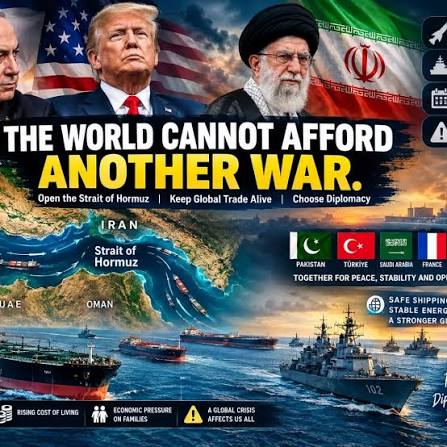
The situation surrounding the Strait of Hormuz is especially important. Any prolonged disruption to shipping through this strategic waterway could affect global energy supplies, international trade and economic stability.
For Gulf governments, therefore, the question is not simply whether American military protection is valuable. It is whether the security benefits outweigh the risks of becoming involved in conflicts driven by Washington’s wider strategic objectives.
America’s Strategic Calculations Are Changing
The United States is also facing a significant strategic challenge.
Overseas bases have traditionally allowed Washington to conduct military operations thousands of miles from its own territory. They have provided logistical support, intelligence capabilities and access to strategically important regions.
However, the Iran conflict has demonstrated that these same facilities can become vulnerabilities.
The reported relocation of American aircraft and military equipment from several installations suggests that Washington may need to reconsider how it distributes its military capabilities abroad.
Some analysts believe the United States could increasingly rely on Israel as a forward military partner in the Middle East.
Such a shift, however, would create its own complications, particularly given the economic and security interests of Gulf countries.
A greater dependence on Israel could also further complicate Washington’s relationships with Arab governments that are already concerned about the regional consequences of the conflict.
The Future of America’s Overseas Military Presence
The emerging security environment suggests that the traditional model of maintaining large, concentrated overseas military bases may require substantial reconsideration.
Instead of relying exclusively on a limited number of major installations, the United States may need to develop more flexible military arrangements, distribute critical equipment across multiple locations and strengthen the defensive capabilities of partner countries.
Cooperation with allies will remain essential. However, host nations may increasingly demand greater influence over decisions involving the use of military facilities on their territories.
As security analyst Urban Coningham suggests in the source report, a sustainable long-term approach would involve strengthening the military capabilities of partner countries so that they can take greater responsibility for their own defence.
This would require Washington to reconsider the balance between maintaining its global military presence and allowing regional partners to assume more responsibility for their security.
When Protection Becomes a Risk
The Iran conflict has exposed a fundamental contradiction in America’s overseas military strategy.
Military bases established to protect allies and project American power can also become targets that threaten the security of those same allies.
For host countries, the presence of American forces offers protection but may simultaneously increase their exposure to regional conflicts. For Washington, maintaining these installations provides strategic advantages but also creates substantial financial, military and diplomatic responsibilities.
The future of America’s global military presence will therefore depend not simply on how many bases it maintains, but on whether those bases can remain operational, secure and politically acceptable in an increasingly unpredictable world.
Ultimately, the central question is no longer whether overseas military bases are strategically valuable. It is whether their benefits still outweigh the risks they create.