India is widely recognized as the world’s largest democracy, but over the past several years its democratic credentials have come under increasing international scrutiny. Prime Minister Narendra Modi and his Bharatiya Janata Party (BJP) remain highly popular among millions of Indians, who credit the government with expanding infrastructure, digitization, economic reforms, and strengthening India’s global influence. At the same time, a growing number of international human rights organizations, democracy researchers, and press freedom advocates have expressed concern about the condition of democratic institutions, civil liberties, and political pluralism in the country.
Freedom House has classified India as “Partly Free” in its recent Freedom in the World reports, citing concerns over restrictions on civil liberties, pressure on journalists, discrimination affecting minorities, and the treatment of government critics. Likewise, the V-Dem Institute, based at the University of Gothenburg, has classified India as an “electoral autocracy,” arguing that democratic checks and balances have weakened in recent years. These organizations point to issues including restrictions on freedom of expression, pressure on civil society organizations, and the weakening of institutional independence. The Government of India has rejected these assessments, arguing that such rankings rely on subjective methodologies and fail to reflect the realities of the world’s largest democracy. (Freedom House)
Criticism has also emerged from Amnesty International, Human Rights Watch, and several United Nations human rights experts. These organizations have raised concerns regarding the shrinking civic space, treatment of religious minorities, restrictions on nongovernmental organizations, and the use of investigative agencies against political opponents. Amnesty International has documented concerns over freedom of expression and the operating environment for civil society, while UN human rights officials have highlighted issues relating to communal violence and civic freedoms. The Indian government has consistently denied allegations of systematic discrimination and maintains that its policies apply equally to all citizens regardless of religion or background. (Amnesty International)
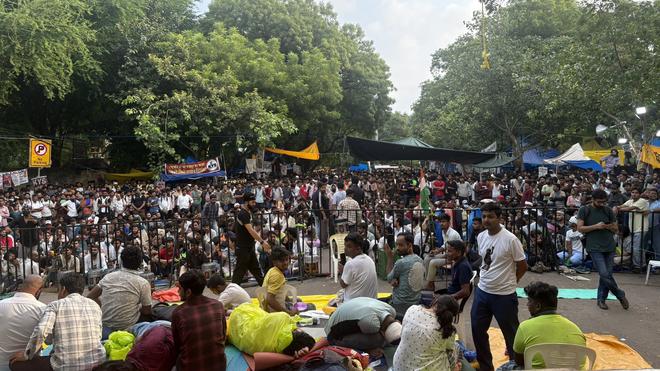
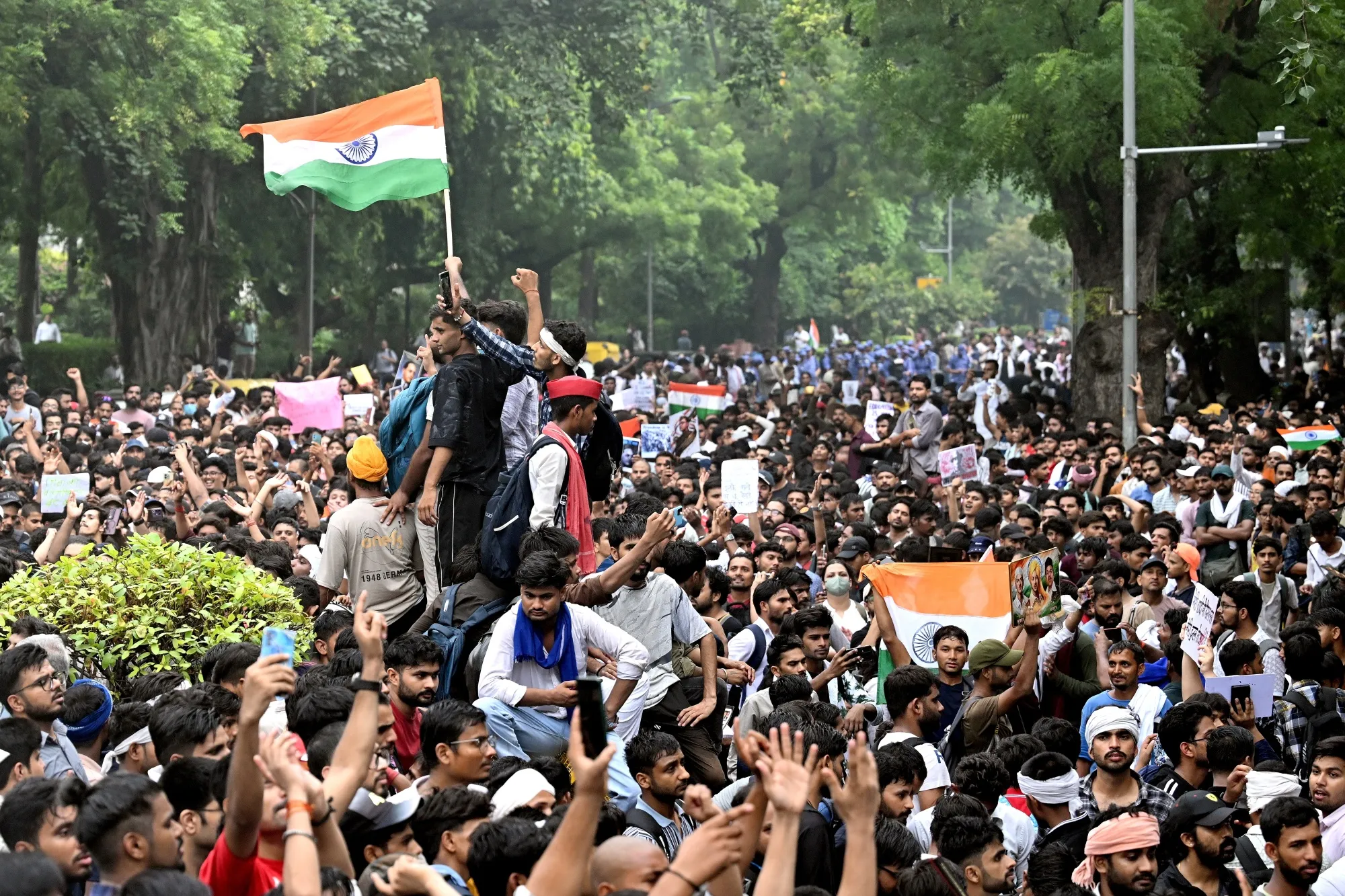
Recent political developments, including protests and disputes surrounding electoral processes, have further intensified debate over India’s democratic institutions. Opposition parties have alleged that investigative agencies, campaign financing mechanisms, and sections of the media create an uneven electoral environment. Critics argue that these factors may influence electoral competition, while the Election Commission of India maintains that elections are conducted independently under constitutional safeguards. Allegations of electoral bias remain contested political claims and have not been conclusively established by judicial findings. (Wikipedia)
Press freedom has become another major point of discussion. International watchdogs have reported increasing pressure on independent journalists, including legal actions, intimidation, and economic pressures affecting media organizations. Critics argue that a substantial portion of mainstream media has become increasingly supportive of the ruling establishment, reducing space for independent scrutiny. The Modi government rejects accusations of suppressing the media and maintains that India enjoys a vibrant and diverse press. (The Guardian)
Whether India is experiencing democratic backsliding remains a matter of significant debate. International organizations and many scholars argue that democratic institutions have weakened under the current government, while supporters contend that India continues to conduct regular competitive elections, maintain an independent judiciary, and preserve constitutional governance. As with any democracy, the long-term strength of India’s institutions will depend on the continued protection of electoral integrity, judicial independence, media freedom, civil liberties, and equal rights for all citizens.