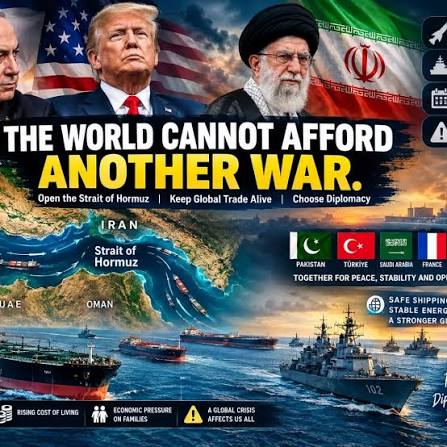
There is a saying that a burnt child dreads the fire. Developing countries today resemble that burnt child, having repeatedly suffered the consequences of global conflicts and economic instability. The renewed tensions surrounding the Iran war have once again raised serious concerns about the future of the global economy. Over the past eight months, disruptions to energy supplies, international trade, transportation networks and market stability have imposed a heavy burden on ordinary people across the world. Although there had been some signs of a possible improvement in the situation, recent developments have revived fears of a wider and more destructive conflict.
The defeat of Donald Trump’s Republican Party by the Democrats in the midterm elections is undoubtedly a significant development in American politics. The economic consequences of the Iran war and growing public dissatisfaction over its impact have been widely regarded as important factors behind the Republicans’ electoral setback. The crucial question, however, is whether this political message will encourage the Trump administration to adopt a more restrained approach towards Iran or whether the president will take an even harder line in an attempt to recover his political standing. Recent developments do little to dismiss the latter possibility.
According to international media reports published on November 8, American military and economic pressure against Iran is expanding. Alongside the maritime blockade of Iranian ports, the US Central Command has reportedly established a task force named ‘Task Force Iron Gate’ to disrupt Iran’s overland trade and supply networks. Its stated objectives include restricting the movement of military technology, sanctioned goods and illicit financial flows. Washington claims that the maritime blockade has obstructed approximately $25 billion worth of Iranian crude oil exports. American forces have also reportedly disabled a commercial vessel accused of violating restrictions in the Gulf of Oman. Furthermore, the announcement of a $20 million reward for information concerning Iran’s nuclear programme represents another indication of Washington’s intensifying pressure.
Meanwhile, Iran’s Islamic Revolutionary Guard Corps has indicated that it may abandon previously announced restrictions on the range of its missiles. Reports of explosions and fires involving several oil tankers in the Strait of Hormuz have added to regional anxiety. The renewed confrontation involving Houthi rebels in Yemen and Saudi Arabia has further complicated the security environment. Taken together, these developments suggest that the conflict could extend beyond its existing geographical and political boundaries.
Perhaps the most dangerous aspect of the current situation is the uncertainty surrounding the Strait of Hormuz. As one of the world’s most strategically important energy transportation routes, any prolonged disruption in this waterway could have devastating consequences for global oil supplies and shipping costs. The repercussions would extend far beyond the energy sector, affecting electricity generation, manufacturing, agriculture, food distribution and almost every major component of the global economy.
While developed economies may possess greater financial and institutional capacity to absorb such shocks, energy-importing developing countries would face considerably greater difficulties. Rising fuel prices would inevitably push up production and transportation costs, intensify inflation and reduce people’s purchasing power. Businesses could be forced to cut production, employment opportunities might decline, and millions of ordinary families could find themselves struggling to meet their basic needs. Public dissatisfaction and protests, already emerging in different parts of the world over the economic consequences of the conflict, could become even more widespread.
The most unfortunate reality is that ordinary citizens, who have neither initiated nor benefited from these geopolitical confrontations, are often the ones who suffer the greatest consequences. For countries with limited foreign currency reserves, high import dependency and fragile economic foundations, another prolonged disruption in global energy markets could create a serious economic crisis.
Fortunately, the diplomatic door has not yet been completely closed. Draft proposals for negotiations between Washington and Tehran have reportedly been circulating through Qatari mediation. The reopening of the Strait of Hormuz and the possible withdrawal of the American blockade are among the issues being considered in discussions. Russia has also become involved in diplomatic communications. Nevertheless, deep mutual distrust, disagreements over sanctions relief and competing security demands continue to make a negotiated settlement difficult.
President Trump now faces both a political and a strategic dilemma. The midterm election results should serve as a warning about the domestic political costs of prolonged military engagement. Escalating military pressure may appear to offer an opportunity to secure strategic concessions, but there is no guarantee that such an approach will achieve its intended objectives. Even a limited strike against important Iranian installations could trigger retaliation and transform the present confrontation into a much wider regional war. Israel’s political and security calculations add another layer of complexity to an already volatile situation.
Military superiority does not necessarily guarantee political success. History has repeatedly demonstrated that conflicts initiated with limited objectives can quickly become prolonged, costly and unpredictable. A further escalation could undermine regional stability, disrupt international trade and place an unbearable economic burden on countries far removed from the battlefield.
The international community must therefore recognise that the consequences of this conflict extend far beyond the immediate interests of Washington, Tehran or Tel Aviv. The stability of global energy markets, the security of international shipping and the economic survival of millions of people are also at stake.
The world is not in a position to bear the burden of another prolonged war. What is needed now is not a demonstration of military strength, but restraint, responsible leadership and diplomatic wisdom. The United States and Iran must prioritise dialogue over confrontation and compromise over escalation. Regional powers and international institutions should also intensify their efforts to facilitate a peaceful settlement.
Ultimately, true strength lies not merely in the ability to wage war, but in the wisdom to prevent one. A single ill-considered military decision could once again push the global economy into an abyss of uncertainty. The time has come for diplomacy to prevail before the cost of confrontation becomes far too great for the world to bear.
Clarify the midterm election timelineTighten the opening paragraph
The Iran Crisis: The World Cannot Afford Another Prolonged Conflict
There is a saying that a burnt child dreads the fire. Developing countries today resemble that burnt child, having repeatedly suffered the consequences of global conflicts and economic instability. The renewed tensions surrounding the Iran war have once again raised serious concerns about the future of the global economy. Over the past eight months, disruptions to energy supplies, international trade, transportation networks and market stability have imposed a heavy burden on ordinary people across the world. Although there had been some signs of a possible improvement in the situation, recent developments have revived fears of a wider and more destructive conflict.
The defeat of Donald Trump’s Republican Party by the Democrats in the midterm elections is undoubtedly a significant development in American politics. The economic consequences of the Iran war and growing public dissatisfaction over its impact have been widely regarded as important factors behind the Republicans’ electoral setback. The crucial question, however, is whether this political message will encourage the Trump administration to adopt a more restrained approach towards Iran or whether the president will take an even harder line in an attempt to recover his political standing. Recent developments do little to dismiss the latter possibility.
According to international media reports published on November 8, American military and economic pressure against Iran is expanding. Alongside the maritime blockade of Iranian ports, the US Central Command has reportedly established a task force named ‘Task Force Iron Gate’ to disrupt Iran’s overland trade and supply networks. Its stated objectives include restricting the movement of military technology, sanctioned goods and illicit financial flows. Washington claims that the maritime blockade has obstructed approximately $25 billion worth of Iranian crude oil exports. American forces have also reportedly disabled a commercial vessel accused of violating restrictions in the Gulf of Oman. Furthermore, the announcement of a $20 million reward for information concerning Iran’s nuclear programme represents another indication of Washington’s intensifying pressure.
Meanwhile, Iran’s Islamic Revolutionary Guard Corps has indicated that it may abandon previously announced restrictions on the range of its missiles. Reports of explosions and fires involving several oil tankers in the Strait of Hormuz have added to regional anxiety. The renewed confrontation involving Houthi rebels in Yemen and Saudi Arabia has further complicated the security environment. Taken together, these developments suggest that the conflict could extend beyond its existing geographical and political boundaries.
Perhaps the most dangerous aspect of the current situation is the uncertainty surrounding the Strait of Hormuz. As one of the world’s most strategically important energy transportation routes, any prolonged disruption in this waterway could have devastating consequences for global oil supplies and shipping costs. The repercussions would extend far beyond the energy sector, affecting electricity generation, manufacturing, agriculture, food distribution and almost every major component of the global economy.
While developed economies may possess greater financial and institutional capacity to absorb such shocks, energy-importing developing countries would face considerably greater difficulties. Rising fuel prices would inevitably push up production and transportation costs, intensify inflation and reduce people’s purchasing power. Businesses could be forced to cut production, employment opportunities might decline, and millions of ordinary families could find themselves struggling to meet their basic needs. Public dissatisfaction and protests, already emerging in different parts of the world over the economic consequences of the conflict, could become even more widespread.
The most unfortunate reality is that ordinary citizens, who have neither initiated nor benefited from these geopolitical confrontations, are often the ones who suffer the greatest consequences. For countries with limited foreign currency reserves, high import dependency and fragile economic foundations, another prolonged disruption in global energy markets could create a serious economic crisis.
Fortunately, the diplomatic door has not yet been completely closed. Draft proposals for negotiations between Washington and Tehran have reportedly been circulating through Qatari mediation. The reopening of the Strait of Hormuz and the possible withdrawal of the American blockade are among the issues being considered in discussions. Russia has also become involved in diplomatic communications. Nevertheless, deep mutual distrust, disagreements over sanctions relief and competing security demands continue to make a negotiated settlement difficult.
President Trump now faces both a political and a strategic dilemma. The midterm election results should serve as a warning about the domestic political costs of prolonged military engagement. Escalating military pressure may appear to offer an opportunity to secure strategic concessions, but there is no guarantee that such an approach will achieve its intended objectives. Even a limited strike against important Iranian installations could trigger retaliation and transform the present confrontation into a much wider regional war. Israel’s political and security calculations add another layer of complexity to an already volatile situation.
Military superiority does not necessarily guarantee political success. History has repeatedly demonstrated that conflicts initiated with limited objectives can quickly become prolonged, costly and unpredictable. A further escalation could undermine regional stability, disrupt international trade and place an unbearable economic burden on countries far removed from the battlefield.
The international community must therefore recognise that the consequences of this conflict extend far beyond the immediate interests of Washington, Tehran or Tel Aviv. The stability of global energy markets, the security of international shipping and the economic survival of millions of people are also at stake.
The world is not in a position to bear the burden of another prolonged war. What is needed now is not a demonstration of military strength, but restraint, responsible leadership and diplomatic wisdom. The United States and Iran must prioritise dialogue over confrontation and compromise over escalation. Regional powers and international institutions should also intensify their efforts to facilitate a peaceful settlement.
Ultimately, true strength lies not merely in the ability to wage war, but in the wisdom to prevent one. A single ill-considered military decision could once again push the global economy into an abyss of uncertainty. The time has come for diplomacy to prevail before the cost of confrontation becomes far too great for the world to bear.
Clarify the midterm election timelineTighten the opening paragraph