The world is facing an escalating food emergency that threatens the lives and livelihoods of hundreds of millions of people. According to the 2024 Global Report on Food Crises (GRFC), a record 298 million people across 53 countries and territories are currently experiencing acute food insecurity—a stark indicator of how fragile the global food system has become.
This latest analysis, coordinated by the Global Network Against Food Crises and supported by key UN agencies such as the Food and Agriculture Organization (FAO), World Food Programme (WFP), and UNICEF, paints a grim picture of global hunger in an era marked by war, climate disruption, and economic upheaval. The findings, published in collaboration with the Integrated Food Security Phase Classification (IPC), emphasize that the number of people in crisis or worse (IPC Phase 3 or above) has been increasing for six consecutive years.
In 2023 alone, 13.7 million more people were newly pushed into extreme hunger conditions. This exponential rise underscores not just the scale of the emergency, but also the need for immediate, coordinated global action.
An Unfolding Catastrophe: The Causes Behind the Crisis
The GRFC identifies four primary drivers fueling the global hunger crisis:
- Conflict and Political Instability
Conflict continues to be the most significant driver of food insecurity, accounting for the majority of acute hunger cases worldwide. War displaces people, destroys infrastructure, disrupts farming, and cuts off access to food and humanitarian assistance.
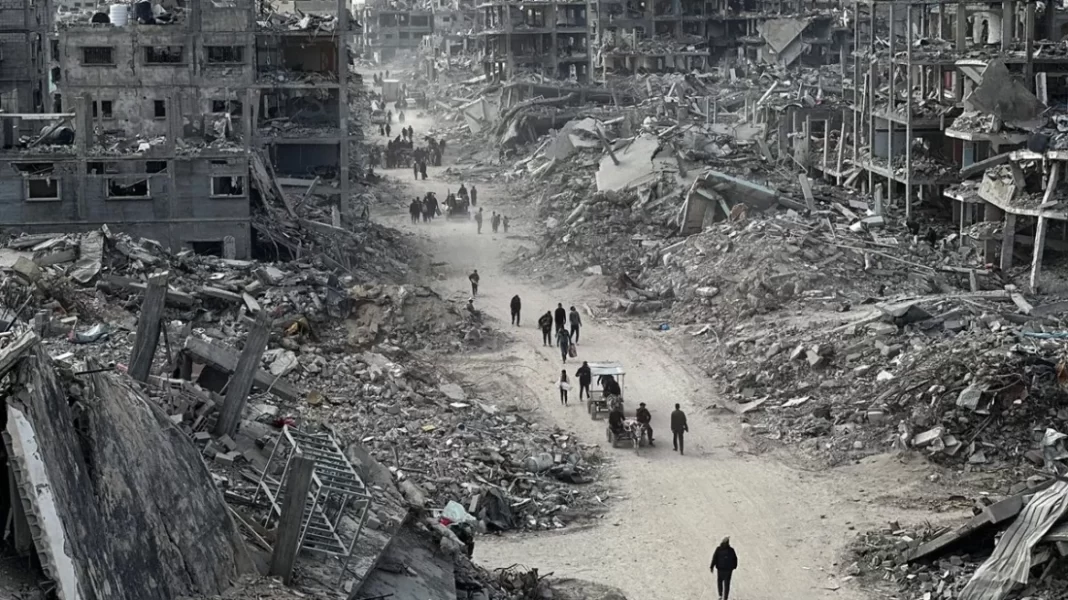
In Sudan, the devastating civil war has pushed over 20 million people into hunger, with several regions now officially experiencing famine-like conditions. Farms have been abandoned, markets are non-functional, and supply chains are in ruins. Similarly, Gaza is facing an unprecedented humanitarian disaster. After the breakdown of the ceasefire in March 2024 and the total blockade of its borders, food and essential aid have been almost entirely cut off, leaving the enclave’s 2.1 million residents in dire straits.
According to IPC’s special report, almost the entire population of Gaza is now at risk of starvation, with famine expected to set in unless immediate aid is allowed to enter.
- Decline in Humanitarian Funding
At a time when needs are surging, humanitarian aid is falling drastically short. Budget cuts from major donor nations—particularly the United States Agency for International Development (USAID)—have led to critical nutrition programs being scaled back or shut down.
In countries like Yemen, Haiti, and Sudan, over 14 million children have lost access to vital food assistance, putting them at heightened risk of malnutrition, stunted growth, and death. These cuts are occurring even as these nations face deteriorating conditions due to conflict, poverty, and displacement.
- Climate Change and Environmental Stress
Extreme weather events—driven by climate change—are causing devastating impacts on food systems. Persistent droughts, flooding, and heatwaves have ravaged crops and livestock, particularly in East Africa and parts of Asia.
Countries like Ethiopia, Somalia, and Kenya continue to battle prolonged droughts that have lasted multiple years, crippling their agricultural output and drying up water sources. Meanwhile, Pakistan and Afghanistan are reeling from both drought and flash floods, creating a volatile cycle of crop failure and food inflation.
Climate-induced food insecurity is particularly dangerous because it has long-term, compounding effects. Once farming systems collapse, rebuilding them takes years, especially in fragile states with limited resources.
- Global Economic Instability
The ripple effects of the COVID-19 pandemic, Russia’s war in Ukraine, and ongoing global inflation have driven food prices to record highs, further straining access to food in poorer countries. Currency depreciation, supply chain disruptions, and fuel price hikes have made basic food items unaffordable for many families.
In fragile economies across Africa, Latin America, and South Asia, the rising cost of living has pushed millions into poverty. The poorest are spending up to 70% of their income on food, forcing them to skip meals or resort to unsafe and nutritionally inadequate substitutes.
Hardest-Hit Countries: A Closer Look
According to the IPC and GRFC findings, several countries are on the brink of catastrophe:
- Gaza: Entire population (2.1 million) faces imminent famine. Israeli blockade has halted all aid delivery. Children are the most affected, with widespread malnutrition and dehydration.
- Sudan: Over 20 million people in crisis or worse. Ongoing conflict between rival military factions has decimated the food supply chain. Aid agencies face dangerous operating conditions.
- Haiti: Armed gang violence and political chaos have created an urban food desert. Inflation, fuel shortages, and aid cuts exacerbate suffering in both rural and city areas.
- South Sudan & Mali: Prolonged instability and conflict have severely impacted rural livelihoods, with many dependent on irregular aid distributions for survival.
- Democratic Republic of Congo (DRC), Myanmar, Nigeria: Continued violence, poor infrastructure, and displacement have led to worsening hunger, especially in remote and conflict-affected regions.
Children: The Most Vulnerable Victims
Among the 298 million affected people, children represent the most heartbreaking consequence of this crisis. Malnutrition is soaring, particularly in areas where health systems are already overstretched or have collapsed entirely. Lack of access to clean water and healthcare compounds the effects of hunger.
UNICEF warns that millions of children are at risk of dying from preventable hunger-related causes, including severe acute malnutrition (SAM), wasting, and infections. In regions like Sudan, Yemen, and Somalia, pediatric wards are overwhelmed and under-resourced.
The Path Forward: Urgency and Accountability
The Global Report on Food Crises calls for immediate, bold, and coordinated international action. Experts warn that inaction could lead to irreversible humanitarian catastrophe in several regions by the end of 2025.
Key Recommendations Include:
- Restoring and increasing humanitarian aid flows, particularly food, nutrition, and healthcare support.
- Investing in resilient agriculture, irrigation systems, and early warning systems to prepare communities for climate shocks.
- Resolving conflicts through diplomacy and international pressure, creating safe corridors for aid delivery.
- Improving data and food security monitoring systems to better track and predict emerging hunger hotspots.
- Stabilizing global markets and supporting developing nations with financial relief to manage inflation and debt.
The global food crisis is not just a humanitarian issue—it is a profound threat to peace, stability, and human development. It affects the world’s most vulnerable communities and exposes the interconnectedness of conflict, climate, and economic systems.
Unless immediate action is taken to address the root causes of hunger and ensure food systems are equitable and resilient, the number of people facing starvation will continue to grow, and the human toll will be devastating.
The 2024 Global Report on Food Crises is a wake-up call for world leaders, aid agencies, and the global community. Time is running out to prevent a wave of avoidable deaths and to uphold the basic right of every human being—to live free from hunger.