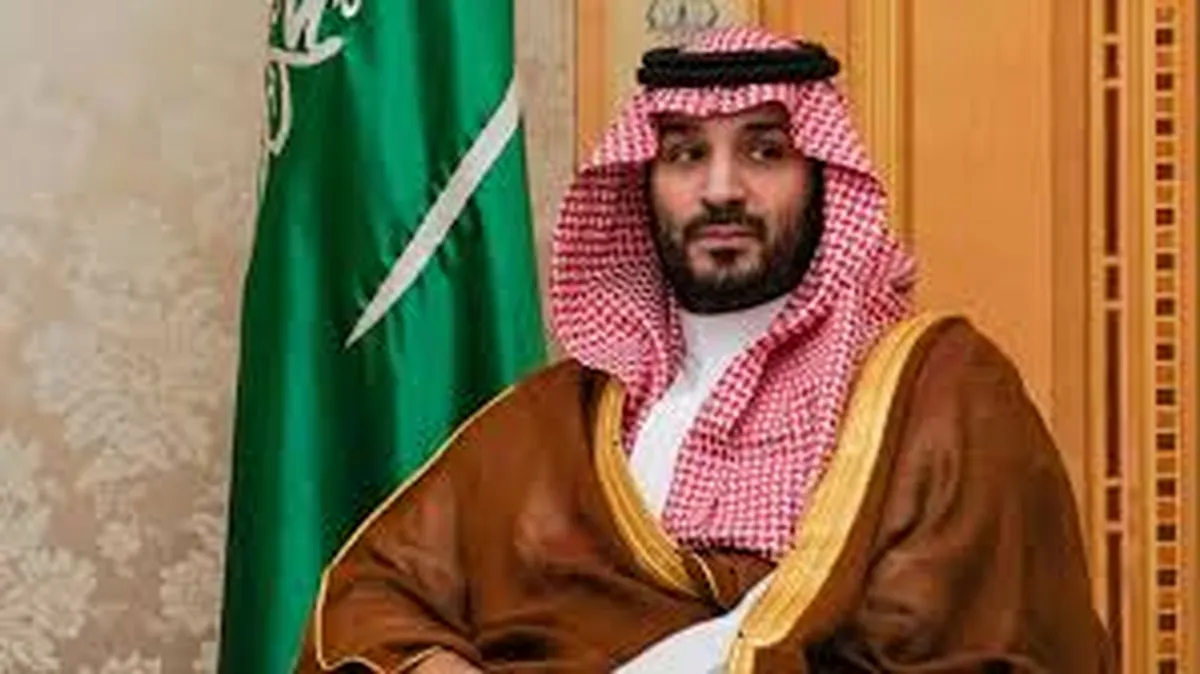
A new controversy has erupted after a framed photograph of Saudi Arabia’s Crown Prince Mohammed bin Salman (MBS) was discovered inside the New York mansion of Jeffrey Epstein—the disgraced American financier, convicted sex offender, and accused international sex trafficker. The revelation, first reported by The New York Times, has triggered a storm of criticism and speculation across global media and social platforms.
The New Discovery Inside Epstein’s Lavish Mansion
On August 5, The New York Times published a detailed investigative report shedding new light on the contents of Epstein’s seven-story Manhattan townhouse—often described as “palatial” and “surreal.” Among various controversial and bizarre items documented inside the mansion, one stood out: a neatly framed photo of Saudi Crown Prince Mohammed bin Salman.
The report immediately caught international attention, igniting questions about the nature of Epstein’s global connections and the possible relationship between the late financier and one of the world’s most powerful royal figures.
Epstein’s Mansion: A Glimpse Into Darkness
The photograph was reportedly found alongside a bizarre collection of objects that epitomize Epstein’s twisted world. These included taxidermied animals, sexually suggestive sculptures and artworks, surveillance cameras in bedrooms and private chambers, and other unsettling artifacts.
The presence of a prominent world leader’s portrait amid such surroundings has alarmed critics and fueled conspiracy theories about Epstein’s true network of influence—particularly his links to the global elite.
Epstein’s Criminal Past and Mysterious Death
Jeffrey Epstein was arrested in July 2019 on federal charges related to child sex trafficking and exploitation. However, before his trial could begin, Epstein was found dead in his jail cell at the Metropolitan Correctional Center in New York. The official ruling declared his death a suicide by hanging, but questions remain. Many still believe he was murdered to protect the identities of powerful individuals who may have been implicated by Epstein’s testimony.
Even before his 2019 arrest, Epstein had a criminal record. In 2008, he was convicted of soliciting a minor for prostitution but controversially served only 13 months in a Florida jail under a secretive plea deal that many believe was orchestrated to shield influential figures.
Online Reactions: Outrage, Satire, and Deep Suspicion
The discovery of Crown Prince MBS’s photo in Epstein’s residence has sparked widespread reaction on Twitter, Reddit, and other platforms. While some expressed shock, others noted that the Saudi crown prince has previously appeared in photos with other controversial individuals.
One user referenced another widely circulated photo of MBS alongside George Nader, a Lebanese-American lobbyist who is also a convicted pedophile. “Are we even surprised anymore?” one comment read. “This guy [MBS] is always found in shady places with shady people.”
Another particularly scathing post stated:
“When Mohammed Bone Saw [a satirical nickname for MBS] isn’t dismembering journalists and dissolving them in acid, he’s taking pictures with child predators.”
This comment alludes to the 2018 assassination of Saudi journalist Jamal Khashoggi, who was killed and allegedly dismembered with a bone saw inside the Saudi consulate in Istanbul. U.S. intelligence reports concluded that Crown Prince Mohammed bin Salman likely approved the operation, a charge the Saudi government has repeatedly denied.
A Diplomatic Gesture or Something More?
The presence of MBS’s photo has raised pressing questions: Was it merely a diplomatic token or memento, or does it hint at a deeper, more personal connection between Epstein and the Saudi royal family?
So far, there has been no official response from the Saudi government or the crown prince’s office regarding the discovery of the photo. However, many observers believe this revelation will invite closer scrutiny from international human rights organizations, independent journalists, and governments already concerned about Saudi Arabia’s record on human rights and press freedom.
Implications and Unanswered Questions
The appearance of the Saudi Crown Prince’s image in Epstein’s house isn’t just another tabloid twist—it symbolizes something far more troubling. It suggests how deeply interwoven Epstein’s influence might have been within the global elite, potentially spanning beyond Western political circles into the highest ranks of Middle Eastern royalty.
It also underscores how Epstein’s shadow continues to loom long after his death, revealing disturbing details that compel us to ask: Who else was connected to him? What kind of leverage or secrets did he possess? And what more remains hidden?
The discovery of Mohammed bin Salman’s photo in Jeffrey Epstein’s residence is more than a coincidence—it’s a symbol of the murky intersections of wealth, power, criminality, and political complicity. Whether the photo points to an actual relationship or was simply a token on Epstein’s wall remains uncertain. But one thing is clear: in the court of public opinion, such associations carry heavy weight, and the world is watching—demanding transparency, accountability, and the full truth about Epstein’s network of power.